Buy euresisnet.eu ?
We are moving the project
euresisnet.eu .
Are you interested in purchasing the domain
euresisnet.eu ?
domain@kv-gmbh.de · 0541-91531010
Buy euresisnet.eu ?
Why is the development of technology not progressing faster?
The development of technology is not progressing faster due to a variety of factors. One reason is the complexity of the problems that technology aims to solve, which often require extensive research and testing. Additionally, there are limitations in funding and resources for technological development, which can slow down progress. Furthermore, ethical and regulatory considerations can also hinder the rapid advancement of technology, as new innovations must be carefully evaluated for their potential impact on society. **
Does market research hinder innovation in business administration?
Market research does not necessarily hinder innovation in business administration. In fact, it can provide valuable insights into consumer needs and preferences, helping businesses to develop innovative products and services that meet market demands. By understanding market trends and customer behavior, businesses can identify opportunities for innovation and stay ahead of competitors. However, relying too heavily on market research without allowing room for creativity and risk-taking can limit the potential for groundbreaking innovations. It is important for businesses to strike a balance between leveraging market research and fostering a culture of innovation to drive success in business administration. **
Similar search terms for Why
Top-Angebote
Products related to Why:
-
HARPERCOLLINS Lifespan: Why We Age and Why We Dont Have ToLifespan - Why We Age and Why We Dont Have To Description In this paradigm-shifting book from acclaimed Harvard Medical School doctor and one of TIME magazine's 100 most influential people on earth; Dr. David Sinclair reveals that everything we think we know about ageing is wrong; and shares the surprising; scientifically-proven methods that can help readers live younger; longer. For decades; the medical community has looked to a variety of reasons for why we age; and the consensus is that no one dies of old age; they die of age-related diseases. That's because ageing is not a disease - it is inevitable. But what if everything you think you know about ageing is wrong?What if ageing is a disease? And that disease is curable. In LIFESPAN; Dr. David Sinclair; one of the world's foremost authorities on genetics and ageing; argues just that. He has dedicated his life's work to chasing more than a longer lifespan - he wants to enable people to live longer; healthier; and disease-free well into our hundreds. In this book; he reveals a bold new theory of ageing; one that pinpoints a root cause of ageing that lies in an ancient genetic survival circuit. This genetic trick - a circuit designed to halt reproduction in order to repair damage to the genome -has enabled earth's early microcosms to survive and evolve into more advanced organisms. But this same survival circuit is the reason we age: as genetic damage accumulates over our lifespans from UV rays; environmental toxins; and unhealthy diets; our genome is overwhelmed; causing gray hair; wrinkles; achy joints; heart issues; dementia; and; ultimately; death. But genes aren't our destiny; we have more control over them than we've been taught to believe. We can't change our DNA; but we can harness the power of the epigenome to realise the true potential of our genes. Drawing on his cutting-edge findings at the forefront of medical research; Dr. Sinclair will provide a scientifically-proven roadmap to reverse the genetic clock by activating our vitality genes; so we can live younger longer. Readers will discover how a few simple lifestyle changes - like intermittent fasting; avoiding too much animal protein; limiting sugar; avoiding x-rays; exercising with the right intensity; and even trying cold therapy - can activate our vitality genes. Dr. Sinclair ends the book with a look to the near future; exploring what the world might look like - and what will need to change - when we are all living well to 120 or more. Dr. Sinclair takes what we have long accepted as the limits of human potential and mortality and turns them into choices. THE EVOLUTION OF AGEING is destined to be the biggest book on genes; biology; and longevity of this decade.7,95 £*Shipping: 2,99 £Secure redirect to the provider
-
Fourth Estate Fat Chance, Why We Eat Too Much Science of Appetite 2 Books Collection SetFat Chance, Why We Eat Too Much Science of Appetite 2 Books Collection Set Fat Chance: The Hidden Truth About Sugar, Obesity and Disease Sugar is toxic, addictive and everywhere. So what chance do you have of living sugar-free? With busy lives and little time left for cooking we find ourselves relying on a diet of processed food. But this is what’s responsible for our chronically expanding waistlines, soaring levels of diabetes and a catalogue of diseases. Dr Robert Lustig reveals the truth about our sugar-laden food: Why conventional low-fat weight loss advice won’t work: not every calorie is the same, and skipping lunch doesn’t mean it’s ok to eat dessert Why too much sugar can cause serious illness even if you are not overweight How the food industry is filling our diets with hidden sugars – and which foods you must cut out to avoid them How governments are complacent about, and even complicit in, exacerbating our food debacle He will radically change the way you see your food and give you more than a fat chance of a healthier, happier and smarter life Why We Eat (Too Much): The New Science of Appetite by Dr Andrew Jenkinson We've all heard the golden rule: eat less, exercise more and you'll lose weight. But what if it isn't that simple? For over two decades, weight loss surgeon Dr Andrew Jenkinson has treated thousands of people who have become trapped in the endless cycle of dieting. Why We Eat (Too Much), combines case studies from his practice and the new science of metabolism to illuminate how our appetite really works. Debunking myths of about body and systematically explaining why dieting is counter-productive, this unflinching book investigates every aspect of nutrition: from the 'set weight point' that is unique to all of us, to good and bad fats, and from how genes impact our weight to how our hormones are affected after a diet ends. With a new chapter about the link between obesity and COVID-19, this incredible book will help you understand your body better than ever before.9,95 £*Shipping: 2,99 £Secure redirect to the provider
-
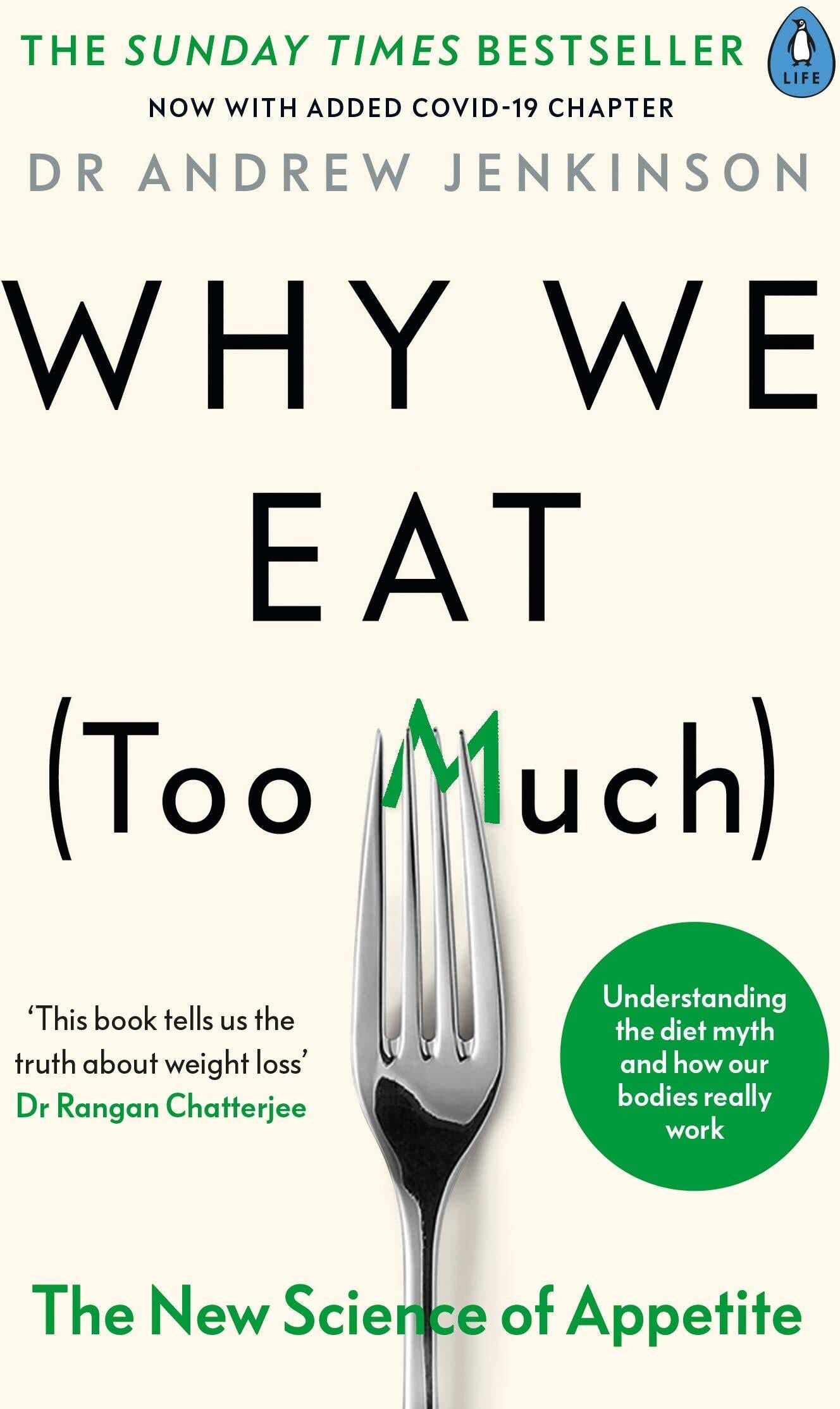
Penguin Why We Eat (Too Much) by Andrew Jenkinson The New Science of Appetite & Lasting Weight LossWhy We Eat (Too Much): The New Science of Appetite by Andrew Jenkinson exposes the real reasons behind weight gain—and why traditional dieting fails.Drawing on decades of clinical experience as a bariatric surgeon, Jenkinson reveals how hormones, metabolism, appetite signals, genetics, stress and the modern food environment influence our eating habits far more than willpower alone. The book debunks diet myths, explains how the body protects its “set point” weight, and offers science-backed strategies for achieving long-term health without extreme diets or guilt.Clear, compassionate and transformative, it’s a must-read for anyone interested in nutrition, weight management, metabolism, or evidence-based health advice.7,99 £*Shipping: 2,99 £Secure redirect to the provider
-
Penguin Ultra-Processed People: Why Do We All Eat Stuff That Isnt Food … and Why Cant We Stop?NOW WITH TWO BONUS CHAPTERS INCLUDING AN FAQTHE NUMBER ONE SUNDAY TIMES BESTSELLERFORTNUM & MASON'S DEBUT FOOD BOOK OF THE YEAR 2024A TIMES AND SUNDAY TIMES SCIENCE BOOK OF THE YEAR 2023AN ECONOMIST, DAILY MAIL, GOOD HOUSEKEEPING and AMAZON BEST BOOK OF THE YEAR 2023SHORTLISTED FOR WATERSTONE'S BOOK OF THE YEAR 2023Chosen by the SUNDAY TIMES, GUARDIAN, FT and DAILY MAIL as one of their BEST SUMMER BOOKS OF 2023'If you only read one diet or nutrition book in your life, make it this one' Bee Wilson'A devastating, witty and scholarly destruction of the shit food we eat and why' Adam Rutherford---An eye-opening investigation into the science, economics, history and production of ultra-processed food. It's not you, it's the food. We have entered a new 'age of eating' where most of our calories come from an entirely novel set of substances called Ultra-Processed Food, food which is industrially processed and designed and marketed to be addictive. But do we really know what it's doing to our bodies?Join Chris in his travels through the world of food science and a UPF diet to discover what's really going on. Find out why exercise and willpower can't save us, and what UPF is really doing to our bodies, our health, our weight, and the planet (hint: nothing good). For too long we've been told we just need to make different choices, when really we're living in a food environment that makes it nigh-on impossible. So this is a book about our rights. The right to know what we eat and what it does to our bodies and the right to good, affordable food. Number 1 Sunday Times bestseller, August 202310,95 £*Shipping: 2,99 £Secure redirect to the provider


-
Will the development of technology ever stop?
It is unlikely that the development of technology will ever stop. As long as there are new problems to solve and new opportunities to explore, there will be a need for technological innovation. Additionally, the pace of technological advancement has been accelerating in recent years, with new breakthroughs and discoveries constantly pushing the boundaries of what is possible. While the specific direction and focus of technological development may change over time, it is likely that the overall trend of progress will continue. **
-
Could science fiction technology become real?
Yes, science fiction technology could become real in the future. Many of the technological advancements that were once considered science fiction, such as video calling, self-driving cars, and virtual reality, have already become a reality. With continued advancements in science and technology, it is possible that other futuristic technologies, such as teleportation or advanced artificial intelligence, could also become a reality in the future. While some science fiction technologies may still be far-fetched, it is important to remember that many of today's realities were once considered impossible in the past. **
-
What is Natural Science and Technology (NWT)?
Natural Science and Technology (NWT) is an interdisciplinary subject that combines elements of natural sciences, technology, and engineering. It focuses on understanding the natural world, how technology impacts our lives, and how we can use scientific knowledge to solve real-world problems. NWT encourages students to explore the connections between science and technology and how they influence each other in our daily lives. Through hands-on experiments, research projects, and critical thinking activities, students develop a deeper understanding of the world around them and the role of science and technology in shaping our future. **
-
How are natural science and technology related?
Natural science and technology are closely related as they both involve the study and understanding of the natural world. Natural science seeks to understand the fundamental principles and laws that govern the natural world, while technology applies this understanding to create practical solutions to real-world problems. Technology often builds upon the knowledge gained from natural science to develop new tools, materials, and processes that improve our lives and our understanding of the natural world. In this way, natural science and technology work hand in hand to advance our understanding and utilization of the natural world. **

What is the relationship between science and technology?
Science and technology are closely related and often work hand in hand. Science is the study of the natural world and seeks to understand how things work, while technology is the application of scientific knowledge for practical purposes. Scientific discoveries often lead to technological advancements, and technology, in turn, enables scientists to conduct research and experiments more efficiently. The two fields are interconnected and rely on each other for progress and innovation. **
Why do you hate technology?
As an AI, I do not have personal feelings or emotions, so I do not hate technology. However, some people may have negative feelings towards technology due to concerns about privacy, the impact of technology on social interactions, or the fear of job displacement due to automation. It is important to acknowledge both the benefits and drawbacks of technology and to find a balance in its use. **
Top-Angebote
Products related to Why:
-
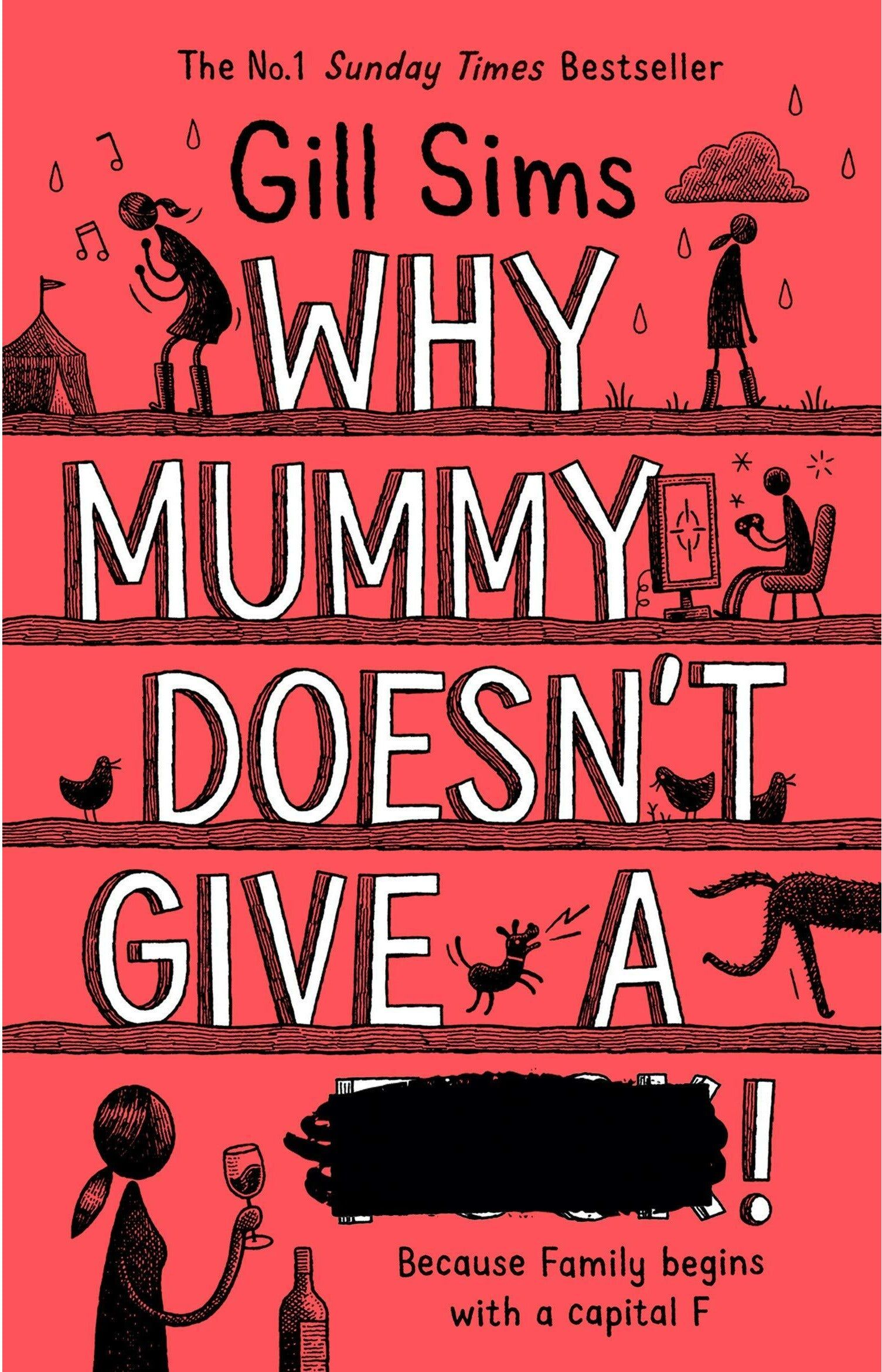
HARPERCOLLINS Gill Sims Why Mummy Series Collection 4 Books Set (Why Mummy Drinks, Why Mummy Swears, Why Mummy Does not Give a, Why Mummys Sloshed)Why Mummy Drinks It is Mummy’s 39th birthday. She is staring down the barrel of a future of people asking if she wants to come to their advanced yoga classes, and polite book clubs where everyone claims to be tiddly after a glass of Pinot Grigio and says things like ‘Oooh gosh, are you having another glass?’Why Mummy Swears The Boy Child Peter is connected to his iPad by an umbilical cord, The Girl Child Jane is desperate to make her fortune as an Instagram lifestyle influencer, while Daddy is constantly off on exotic business trips…Mummy’s marriage is feeling the strain, her kids are running wild and the house is steadily developing a forest of mould. Only Judgy, the Proud and Noble Terrier, remains loyal as always.Why Mummy Doesn’t Give a ****! Mummy dreams of a quirky rural cottage with roses around the door and chatty chickens in the garden. Life, as ever, is not going quite as she planned. Paxo, Oxo and Bisto turn out to be highly rambunctious, rather than merely chatty, and the roses have jaggy thorns. Her precious moppets are now giant teenagers, and instead of wittering at her about who would win in a fight – a dragon badger or a ninja horse – they are Snapchatting the night away.Why Mummy’s Sloshed Mummy has been a wife and mother for so long that she’s a little bit lost. And despite her best efforts, her precious moppets still don’t know the location of the laundry basket, the difference between being bored and being hungry, or that saying ‘I can’t find it Mummy’ is not the same as actually looking for it.15,95 £*Shipping: 2,99 £Secure redirect to the provider
-
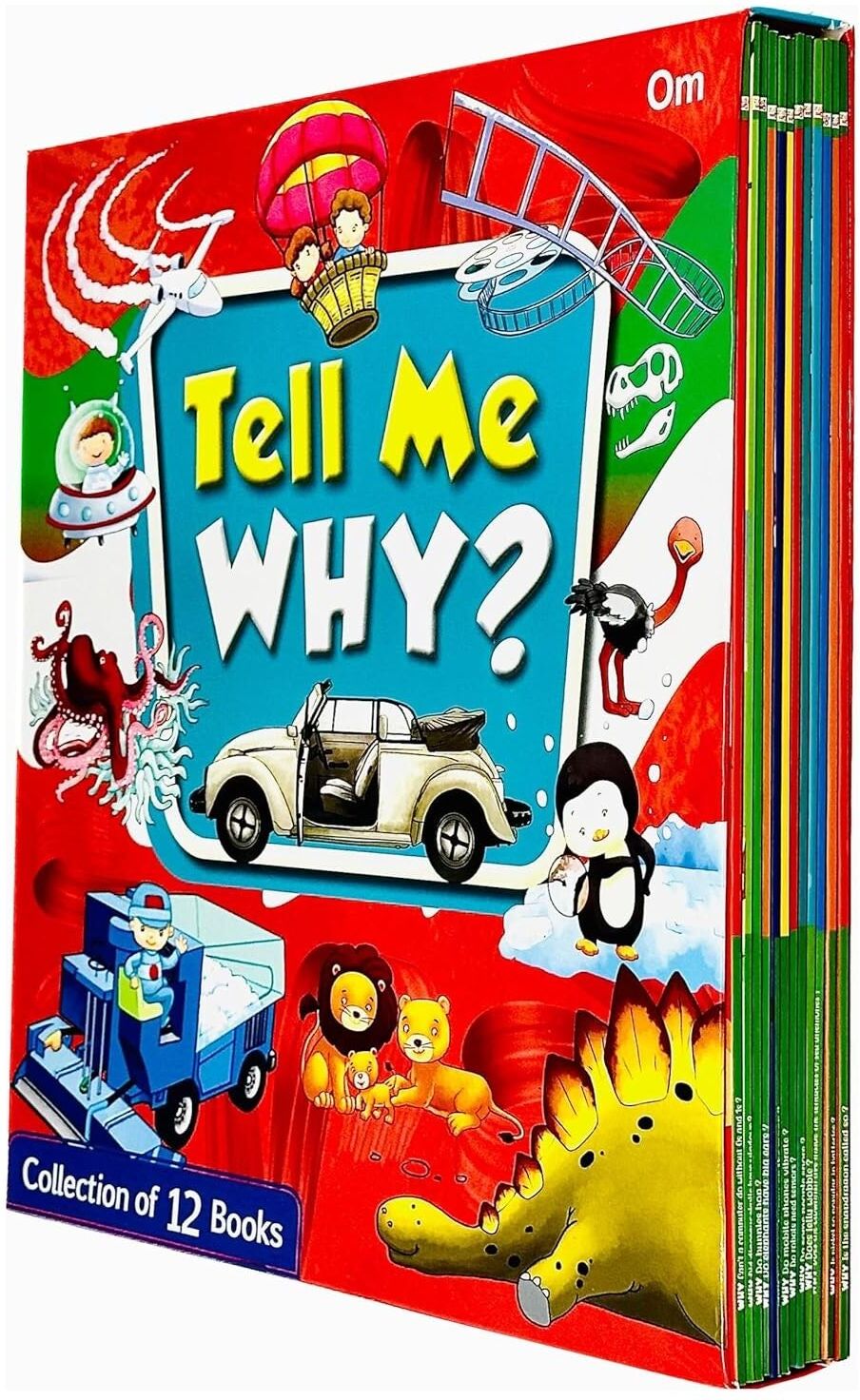
OM Books International Tell Me Why? Collection of 12 Books – Fun Science Questions & Educational Discovery Books for Curious KidsTell me why? Collection of 12 Books: Titles in This Set: Why Is the snapdragon called so? Why Is nickel so popular in batteries? Why Does the clownfish live inside the tentacles of sea anemones? Why Does Jelly Wobble? Why Do Some People Snore? Why Do robots need sensors? Why Do Mobile Phones Vibrate? Why can't a computer do without 0s and 1s ? Why Did dinosaur skulls have windows? Why Do I see a bunny on the moon? Why do elephants have big ears? Why Do Bunnies Hop? Description: This collection of 12 books is ready to answer the questions of young, inquisitive minds! Kids are always hungry for Knowledge Satisfy their curiosity about the world with this insightful, multi-volume series.as it provides answers to some of their many Hows. Whys, Whats and Whens!9,95 £*Shipping: 2,99 £Secure redirect to the provider
-
HARPERCOLLINS Lifespan: Why We Age and Why We Dont Have ToLifespan - Why We Age and Why We Dont Have To Description In this paradigm-shifting book from acclaimed Harvard Medical School doctor and one of TIME magazine's 100 most influential people on earth; Dr. David Sinclair reveals that everything we think we know about ageing is wrong; and shares the surprising; scientifically-proven methods that can help readers live younger; longer. For decades; the medical community has looked to a variety of reasons for why we age; and the consensus is that no one dies of old age; they die of age-related diseases. That's because ageing is not a disease - it is inevitable. But what if everything you think you know about ageing is wrong?What if ageing is a disease? And that disease is curable. In LIFESPAN; Dr. David Sinclair; one of the world's foremost authorities on genetics and ageing; argues just that. He has dedicated his life's work to chasing more than a longer lifespan - he wants to enable people to live longer; healthier; and disease-free well into our hundreds. In this book; he reveals a bold new theory of ageing; one that pinpoints a root cause of ageing that lies in an ancient genetic survival circuit. This genetic trick - a circuit designed to halt reproduction in order to repair damage to the genome -has enabled earth's early microcosms to survive and evolve into more advanced organisms. But this same survival circuit is the reason we age: as genetic damage accumulates over our lifespans from UV rays; environmental toxins; and unhealthy diets; our genome is overwhelmed; causing gray hair; wrinkles; achy joints; heart issues; dementia; and; ultimately; death. But genes aren't our destiny; we have more control over them than we've been taught to believe. We can't change our DNA; but we can harness the power of the epigenome to realise the true potential of our genes. Drawing on his cutting-edge findings at the forefront of medical research; Dr. Sinclair will provide a scientifically-proven roadmap to reverse the genetic clock by activating our vitality genes; so we can live younger longer. Readers will discover how a few simple lifestyle changes - like intermittent fasting; avoiding too much animal protein; limiting sugar; avoiding x-rays; exercising with the right intensity; and even trying cold therapy - can activate our vitality genes. Dr. Sinclair ends the book with a look to the near future; exploring what the world might look like - and what will need to change - when we are all living well to 120 or more. Dr. Sinclair takes what we have long accepted as the limits of human potential and mortality and turns them into choices. THE EVOLUTION OF AGEING is destined to be the biggest book on genes; biology; and longevity of this decade.7,95 £*Shipping: 2,99 £Secure redirect to the provider
-
Fourth Estate Fat Chance, Why We Eat Too Much Science of Appetite 2 Books Collection SetFat Chance, Why We Eat Too Much Science of Appetite 2 Books Collection Set Fat Chance: The Hidden Truth About Sugar, Obesity and Disease Sugar is toxic, addictive and everywhere. So what chance do you have of living sugar-free? With busy lives and little time left for cooking we find ourselves relying on a diet of processed food. But this is what’s responsible for our chronically expanding waistlines, soaring levels of diabetes and a catalogue of diseases. Dr Robert Lustig reveals the truth about our sugar-laden food: Why conventional low-fat weight loss advice won’t work: not every calorie is the same, and skipping lunch doesn’t mean it’s ok to eat dessert Why too much sugar can cause serious illness even if you are not overweight How the food industry is filling our diets with hidden sugars – and which foods you must cut out to avoid them How governments are complacent about, and even complicit in, exacerbating our food debacle He will radically change the way you see your food and give you more than a fat chance of a healthier, happier and smarter life Why We Eat (Too Much): The New Science of Appetite by Dr Andrew Jenkinson We've all heard the golden rule: eat less, exercise more and you'll lose weight. But what if it isn't that simple? For over two decades, weight loss surgeon Dr Andrew Jenkinson has treated thousands of people who have become trapped in the endless cycle of dieting. Why We Eat (Too Much), combines case studies from his practice and the new science of metabolism to illuminate how our appetite really works. Debunking myths of about body and systematically explaining why dieting is counter-productive, this unflinching book investigates every aspect of nutrition: from the 'set weight point' that is unique to all of us, to good and bad fats, and from how genes impact our weight to how our hormones are affected after a diet ends. With a new chapter about the link between obesity and COVID-19, this incredible book will help you understand your body better than ever before.9,95 £*Shipping: 2,99 £Secure redirect to the provider
-
Why is the development of technology not progressing faster?
The development of technology is not progressing faster due to a variety of factors. One reason is the complexity of the problems that technology aims to solve, which often require extensive research and testing. Additionally, there are limitations in funding and resources for technological development, which can slow down progress. Furthermore, ethical and regulatory considerations can also hinder the rapid advancement of technology, as new innovations must be carefully evaluated for their potential impact on society. **
-
Does market research hinder innovation in business administration?
Market research does not necessarily hinder innovation in business administration. In fact, it can provide valuable insights into consumer needs and preferences, helping businesses to develop innovative products and services that meet market demands. By understanding market trends and customer behavior, businesses can identify opportunities for innovation and stay ahead of competitors. However, relying too heavily on market research without allowing room for creativity and risk-taking can limit the potential for groundbreaking innovations. It is important for businesses to strike a balance between leveraging market research and fostering a culture of innovation to drive success in business administration. **
-
Will the development of technology ever stop?
It is unlikely that the development of technology will ever stop. As long as there are new problems to solve and new opportunities to explore, there will be a need for technological innovation. Additionally, the pace of technological advancement has been accelerating in recent years, with new breakthroughs and discoveries constantly pushing the boundaries of what is possible. While the specific direction and focus of technological development may change over time, it is likely that the overall trend of progress will continue. **
-
Could science fiction technology become real?
Yes, science fiction technology could become real in the future. Many of the technological advancements that were once considered science fiction, such as video calling, self-driving cars, and virtual reality, have already become a reality. With continued advancements in science and technology, it is possible that other futuristic technologies, such as teleportation or advanced artificial intelligence, could also become a reality in the future. While some science fiction technologies may still be far-fetched, it is important to remember that many of today's realities were once considered impossible in the past. **
Similar search terms for Why
-
Penguin Why We Eat (Too Much) by Andrew Jenkinson The New Science of Appetite & Lasting Weight LossWhy We Eat (Too Much): The New Science of Appetite by Andrew Jenkinson exposes the real reasons behind weight gain—and why traditional dieting fails.Drawing on decades of clinical experience as a bariatric surgeon, Jenkinson reveals how hormones, metabolism, appetite signals, genetics, stress and the modern food environment influence our eating habits far more than willpower alone. The book debunks diet myths, explains how the body protects its “set point” weight, and offers science-backed strategies for achieving long-term health without extreme diets or guilt.Clear, compassionate and transformative, it’s a must-read for anyone interested in nutrition, weight management, metabolism, or evidence-based health advice.7,99 £*Shipping: 2,99 £Secure redirect to the provider
-
Penguin Ultra-Processed People: Why Do We All Eat Stuff That Isnt Food … and Why Cant We Stop?NOW WITH TWO BONUS CHAPTERS INCLUDING AN FAQTHE NUMBER ONE SUNDAY TIMES BESTSELLERFORTNUM & MASON'S DEBUT FOOD BOOK OF THE YEAR 2024A TIMES AND SUNDAY TIMES SCIENCE BOOK OF THE YEAR 2023AN ECONOMIST, DAILY MAIL, GOOD HOUSEKEEPING and AMAZON BEST BOOK OF THE YEAR 2023SHORTLISTED FOR WATERSTONE'S BOOK OF THE YEAR 2023Chosen by the SUNDAY TIMES, GUARDIAN, FT and DAILY MAIL as one of their BEST SUMMER BOOKS OF 2023'If you only read one diet or nutrition book in your life, make it this one' Bee Wilson'A devastating, witty and scholarly destruction of the shit food we eat and why' Adam Rutherford---An eye-opening investigation into the science, economics, history and production of ultra-processed food. It's not you, it's the food. We have entered a new 'age of eating' where most of our calories come from an entirely novel set of substances called Ultra-Processed Food, food which is industrially processed and designed and marketed to be addictive. But do we really know what it's doing to our bodies?Join Chris in his travels through the world of food science and a UPF diet to discover what's really going on. Find out why exercise and willpower can't save us, and what UPF is really doing to our bodies, our health, our weight, and the planet (hint: nothing good). For too long we've been told we just need to make different choices, when really we're living in a food environment that makes it nigh-on impossible. So this is a book about our rights. The right to know what we eat and what it does to our bodies and the right to good, affordable food. Number 1 Sunday Times bestseller, August 202310,95 £*Shipping: 2,99 £Secure redirect to the provider
-
William Collins The Science of Storytelling: Why Stories Make Us Human, and How To Tell Them Better by Will StorrWhy stories make us human and how to tell them better. There have been many attempts to understand what makes a good story – but few have used a scientific approach. In this incisive, thought-provoking book, award-winning writer Will Storr demonstrates how master storytellers manipulate and compel us. Applying dazzling psychological research and cutting-edge neuroscience to the foundations of our myths and archetypes, he shows how we can use these tools to tell better stories – and make sense of our chaotic modern world. INCLUDES NEW MATERIAL.4,99 £*Shipping: 1,99 £Secure redirect to the provider
-
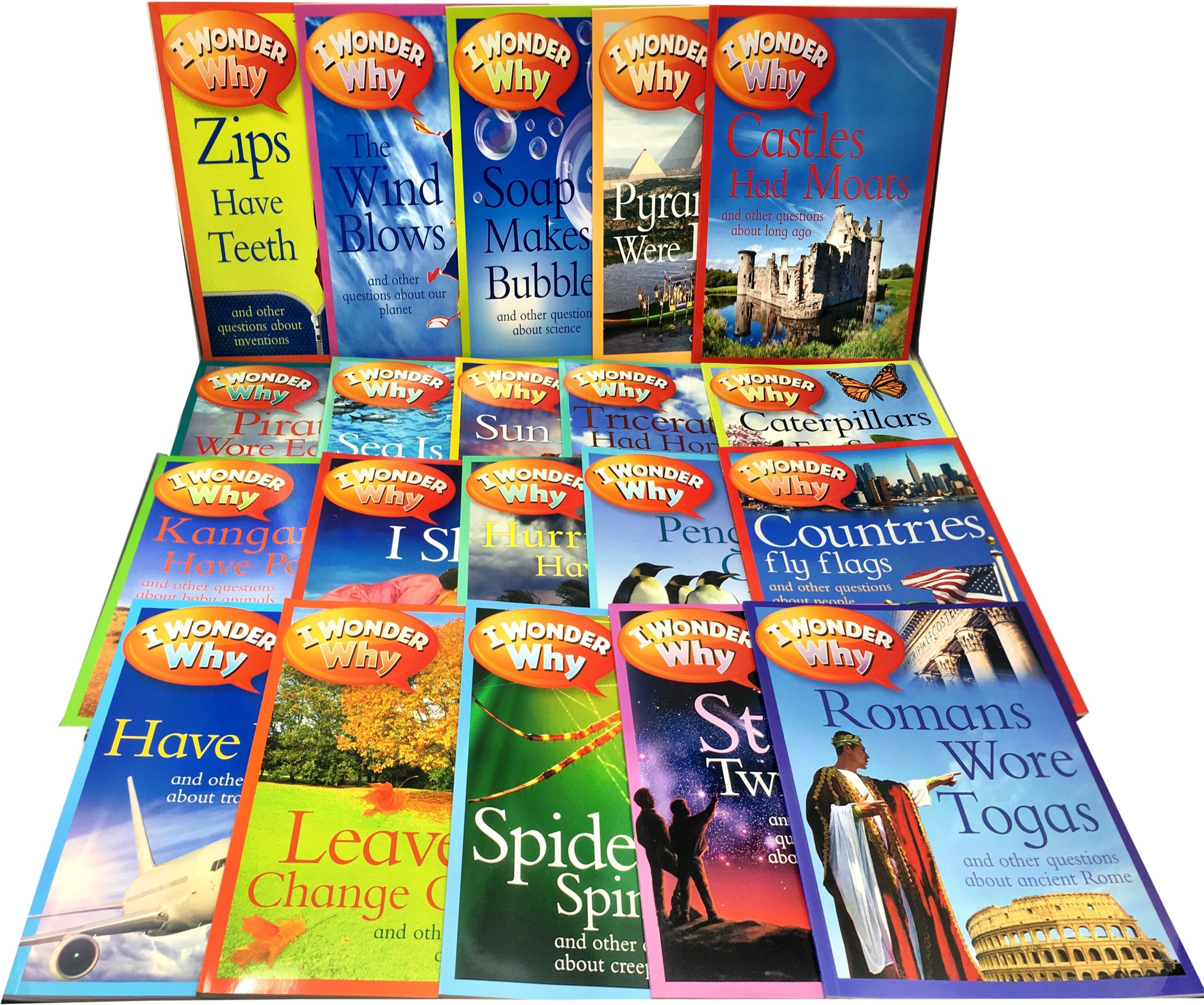
MACMILLAN I Wonder Why Collection 20 Books SetTitles in this Set Castles Had Moats Caterpillars Eat So Much Countries Fly Flags Hurricanes Have Eyes I Sleep Kangaroos Have Pouches Leaves Change Colour Penguins Can't Fly Pirates Wore Earrings Planes Have Wings Pyramids Were Built Romans Wore Togas The Sea is Salty Soap Makes Bubbles Spiders Spin Webs Stars Twinkle The Sun Rises Triceratops Had Horns The Wind Blows Zips Have Teeth22,95 £*Shipping: 2,99 £Secure redirect to the provider
-
What is Natural Science and Technology (NWT)?
Natural Science and Technology (NWT) is an interdisciplinary subject that combines elements of natural sciences, technology, and engineering. It focuses on understanding the natural world, how technology impacts our lives, and how we can use scientific knowledge to solve real-world problems. NWT encourages students to explore the connections between science and technology and how they influence each other in our daily lives. Through hands-on experiments, research projects, and critical thinking activities, students develop a deeper understanding of the world around them and the role of science and technology in shaping our future. **
-
How are natural science and technology related?
Natural science and technology are closely related as they both involve the study and understanding of the natural world. Natural science seeks to understand the fundamental principles and laws that govern the natural world, while technology applies this understanding to create practical solutions to real-world problems. Technology often builds upon the knowledge gained from natural science to develop new tools, materials, and processes that improve our lives and our understanding of the natural world. In this way, natural science and technology work hand in hand to advance our understanding and utilization of the natural world. **
-
What is the relationship between science and technology?
Science and technology are closely related and often work hand in hand. Science is the study of the natural world and seeks to understand how things work, while technology is the application of scientific knowledge for practical purposes. Scientific discoveries often lead to technological advancements, and technology, in turn, enables scientists to conduct research and experiments more efficiently. The two fields are interconnected and rely on each other for progress and innovation. **
-
Why do you hate technology?
As an AI, I do not have personal feelings or emotions, so I do not hate technology. However, some people may have negative feelings towards technology due to concerns about privacy, the impact of technology on social interactions, or the fear of job displacement due to automation. It is important to acknowledge both the benefits and drawbacks of technology and to find a balance in its use. **
* All prices are inclusive of VAT and, if applicable, plus shipping costs. The offer information is based on the details provided by the respective shop and is updated through automated processes. Real-time updates do not occur, so deviations can occur in individual cases. ** Note: Parts of this content were created by AI.