Buy euresisnet.eu ?
We are moving the project
euresisnet.eu .
Are you interested in purchasing the domain
euresisnet.eu ?
domain@kv-gmbh.de · 0541-91531010
Buy euresisnet.eu ?
What products are formed during glycolysis?
During glycolysis, glucose is broken down into two molecules of pyruvate. In the process, ATP and NADH are also produced. Overall, glycolysis results in the net production of two molecules of ATP per glucose molecule. **
What is a mnemonic for glycolysis?
A commonly used mnemonic for remembering the steps of glycolysis is "Goodness Gracious, Father Franklin Did Go By Picking Pumpkins To Prepare Pies." Each word in the mnemonic represents the first letter of each step in the glycolysis pathway: Glucose, Glucose-6-phosphate, Fructose-6-phosphate, Fructose-1,6-bisphosphate, Dihydroxyacetone phosphate, Glyceraldehyde-3-phosphate, 1,3-Bisphosphoglycerate, 3-Phosphoglycerate, 2-Phosphoglycerate, Phosphoenolpyruvate, and Pyruvate. This mnemonic can help students remember the order of the steps in glycolysis. **


Similar search terms for Glycolysis
Top-Angebote
Products related to Glycolysis:
-
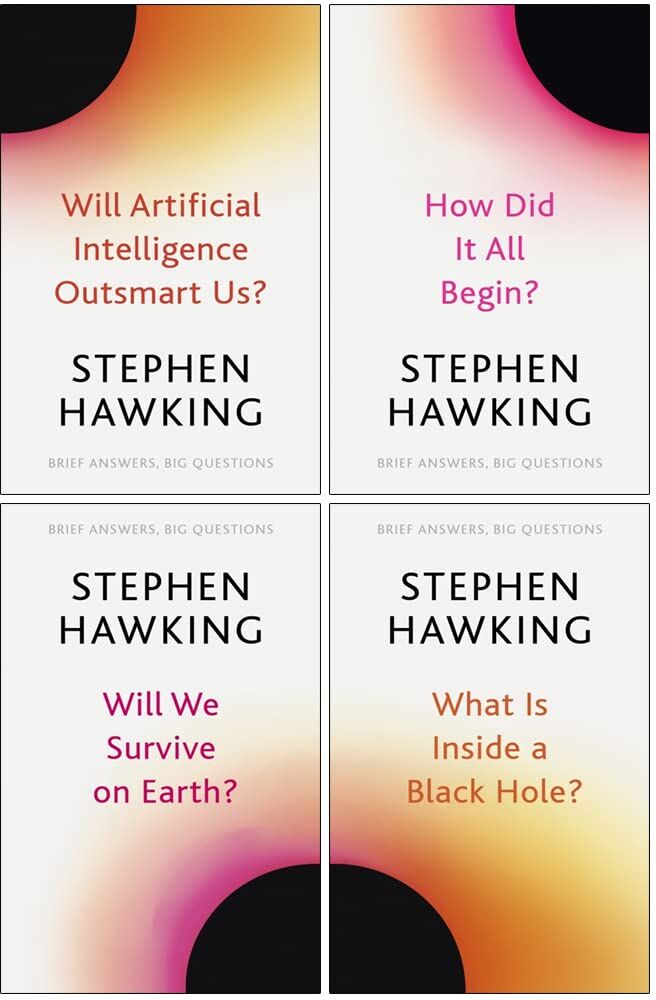
John Murray Stephen Hawking Big Questions 4 Books Collection Set – Science & Space Discovery CollectionWill Artificial Intelligence Outsmart Us? Is there other intelligent life in the universe? Throughout his extraordinary career, Stephen Hawking expanded our understanding of the universe and unravelled some of its greatest mysteries. Will Artificial Intelligence Outsmart Us? considers the threat of artificial super-intelligence - as well as the likelihood of intelligent life beyond our planet.How Did It All Begin? Is there a God? Throughout his extraordinary career, Stephen Hawking expanded our understanding of the universe and unravelled some of its greatest mysteries. In How Did It All Begin? the world famous cosmologist and bestselling author of A Brief History of Time explores the fundamental questions of our existence.Will We Survive on Earth? Should we colonise space? Throughout his extraordinary career, Stephen Hawking expanded our understanding of the universe and unravelled some of its greatest mysteries. In Will We Survive on Earth? the world-famous cosmologist and bestselling author of A Brief History of Time turns his attention to one of the most urgent issues for humankind and explores our options for survival.What Is Inside a Black Hole? Is time travel possible? Throughout his extraordinary career, Stephen Hawking expanded our understanding of the universe and unravelled some of its greatest mysteries. In What Is Inside a Black Hole? Hawking takes us on a journey to the outer reaches of our imaginations, exploring the science of time travel and black holes.10,90 £*Shipping: 2,99 £Secure redirect to the provider
-
The Picturepedia Box 10 Books Collection Set by DK – Science, Nature & Educational Discovery Collection for KidsTitles in this set: The Picturepedia Box Science Protons to Planets Science Technology to Trains Nature Fossils To Flowers Nature Fish to Birds Nature Horses to Habitats Geography Coastlines to Climate Culture Art to Achitecture Culture Sports to Hobbies History Villages to Empires History Explorations to Espionage19,95 £*Shipping: 2,99 £Secure redirect to the provider
-
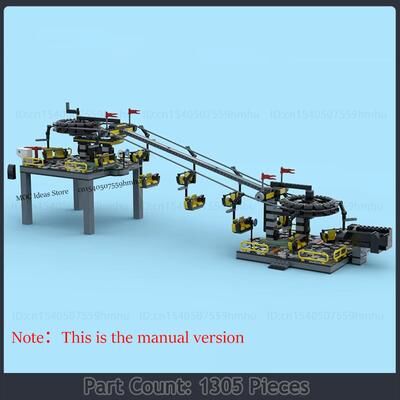
Inspire Daily Merch Chairlift Building Block Diy Technology Motor Puzzle Toy Educational Science Creative MOC Bricks Xmas Gifts no MotorUnleash Creativity with the Chairlift MOC Building Block Toy Bring engineering and creativity together with the GChairlift MOC Building Block Toy. This unique DIY assembly technology offers endless possibilities for both beginners and advanced...199,97 $*Shipping: 0,00 $Secure redirect to the provider
-
SAGE Publications Case Study Research and Applications: Design and MethodsRecognized as one of the most cited methodology books in the social sciences, the Sixth Edition of Robert K. Yin′s bestselling text provides a complete portal to the world of case study research. With the integration of 11 applications in this edition, the book gives readers access to exemplary case studies drawn from a wide variety of academic and applied fields. Ultimately, Case Study Research and Applications will guide students in the successful use and application of the case study research method.59,99 £*Shipping: 0,00 £Secure redirect to the provider

-
What is glycolysis in cellular respiration?
Glycolysis is the first stage of cellular respiration, the process by which cells break down glucose to produce energy. It takes place in the cytoplasm of the cell and does not require oxygen, making it an anaerobic process. During glycolysis, a molecule of glucose is broken down into two molecules of pyruvate, and in the process, a small amount of ATP (energy) is produced. This ATP can be used by the cell for various functions. Glycolysis is a crucial step in cellular respiration and provides the starting point for the next stages of the process, which occur in the mitochondria. **
-
Why doesn't the glycolysis equation balance?
The glycolysis equation does not balance because it is a simplified representation of the overall process. In reality, glycolysis involves a series of complex enzymatic reactions that occur in multiple steps. The equation typically shown in textbooks is a summary of these steps and does not account for every intermediate molecule or cofactor involved in the process. Additionally, the equation may not balance due to the omission of specific details or variations that can occur in different organisms or under different conditions. **
-
Why does the glycolysis equation not balance?
The glycolysis equation does not balance because it is a simplified representation of the complex series of chemical reactions that occur during glycolysis. The equation only shows the overall input and output of the process, without accounting for the specific intermediates and enzymes involved in each step. Additionally, the equation does not include the energy requirements and regulatory mechanisms that control glycolysis. Therefore, the equation is unbalanced because it does not provide a detailed account of the individual reactions and their stoichiometry. **
-
What is the balance equation of glycolysis?
The balanced equation for glycolysis is: Glucose + 2 NAD+ + 2 ADP + 2 Pi → 2 pyruvate + 2 NADH + 2 ATP + 2 H2O + 2 H+ **

What is the difference between glycolysis and glycogenolysis?
Glycolysis is the breakdown of glucose into pyruvate to produce energy in the form of ATP, while glycogenolysis is the breakdown of glycogen into glucose to provide a quick source of energy. Glycolysis occurs in the cytoplasm of cells, while glycogenolysis primarily occurs in the liver and muscles. Glycolysis is the first step in cellular respiration, while glycogenolysis is a way for the body to maintain blood glucose levels during times of fasting or exercise. **
What is the energy investment phase of glycolysis?
The energy investment phase of glycolysis is the first stage of the process, where two molecules of ATP are used to phosphorylate glucose, forming fructose-1,6-bisphosphate. This step requires energy input in the form of ATP in order to prepare the glucose molecule for further breakdown and energy extraction in the subsequent steps of glycolysis. The energy investment phase is followed by the energy payoff phase, where the glucose molecule is further broken down to produce ATP and NADH. **
Top-Angebote
Products related to Glycolysis:
-
Research-powered Eye Duo - Skincare Kit Charlotte Tilbury 3330 Charlotte's Research-powered Eye Duo Size:Darlings, unlock the secret to eyes that appear brighter, depuffed, smoother and younger with my Research-Powered Eye Duo! This CharlotteTilbury.com EXCLUSIVE skincare duo includes:94,05 £*Shipping: 0,00 £Secure redirect to the provider
-
Usborne STEM Scribble Books Collection – 4 Book Set Science, Technology, Engineering & Maths Activity Books for KidsInspire curiosity and creative learning with the Usborne STEM Scribble Books Collection – 4 Book Set, from the trusted Usborne. This exciting educational collection includes: Science Scribble Book Technology Scribble Book Engineering Scribble Book Maths Scribble Book Packed with fun activities, puzzles, drawing challenges, and problem-solving exercises, these interactive scribble books introduce children to the exciting world of STEM (Science, Technology, Engineering, and Mathematics). Designed to make learning enjoyable, they encourage creativity, logical thinking, and hands-on exploration. Perfect for home learning, classroom activities, school holidays, and travel, this collection helps children build confidence while developing essential STEM skills. Why Parents & Teachers Love This Collection: Includes 4 engaging STEM activity books Encourages creativity, problem-solving, and critical thinking Covers Science, Technology, Engineering & Maths Interactive scribble activities make learning fun Ideal for children aged 6+, home learning, and classrooms A fantastic educational resource, the Usborne STEM Scribble Books Collection helps children discover, create, and learn through exciting hands-on activities.8,99 £*Shipping: 2,99 £Secure redirect to the provider
-
John Murray Stephen Hawking Big Questions 4 Books Collection Set – Science & Space Discovery CollectionWill Artificial Intelligence Outsmart Us? Is there other intelligent life in the universe? Throughout his extraordinary career, Stephen Hawking expanded our understanding of the universe and unravelled some of its greatest mysteries. Will Artificial Intelligence Outsmart Us? considers the threat of artificial super-intelligence - as well as the likelihood of intelligent life beyond our planet.How Did It All Begin? Is there a God? Throughout his extraordinary career, Stephen Hawking expanded our understanding of the universe and unravelled some of its greatest mysteries. In How Did It All Begin? the world famous cosmologist and bestselling author of A Brief History of Time explores the fundamental questions of our existence.Will We Survive on Earth? Should we colonise space? Throughout his extraordinary career, Stephen Hawking expanded our understanding of the universe and unravelled some of its greatest mysteries. In Will We Survive on Earth? the world-famous cosmologist and bestselling author of A Brief History of Time turns his attention to one of the most urgent issues for humankind and explores our options for survival.What Is Inside a Black Hole? Is time travel possible? Throughout his extraordinary career, Stephen Hawking expanded our understanding of the universe and unravelled some of its greatest mysteries. In What Is Inside a Black Hole? Hawking takes us on a journey to the outer reaches of our imaginations, exploring the science of time travel and black holes.10,90 £*Shipping: 2,99 £Secure redirect to the provider
-
The Picturepedia Box 10 Books Collection Set by DK – Science, Nature & Educational Discovery Collection for KidsTitles in this set: The Picturepedia Box Science Protons to Planets Science Technology to Trains Nature Fossils To Flowers Nature Fish to Birds Nature Horses to Habitats Geography Coastlines to Climate Culture Art to Achitecture Culture Sports to Hobbies History Villages to Empires History Explorations to Espionage19,95 £*Shipping: 2,99 £Secure redirect to the provider
-
What products are formed during glycolysis?
During glycolysis, glucose is broken down into two molecules of pyruvate. In the process, ATP and NADH are also produced. Overall, glycolysis results in the net production of two molecules of ATP per glucose molecule. **
-
What is a mnemonic for glycolysis?
A commonly used mnemonic for remembering the steps of glycolysis is "Goodness Gracious, Father Franklin Did Go By Picking Pumpkins To Prepare Pies." Each word in the mnemonic represents the first letter of each step in the glycolysis pathway: Glucose, Glucose-6-phosphate, Fructose-6-phosphate, Fructose-1,6-bisphosphate, Dihydroxyacetone phosphate, Glyceraldehyde-3-phosphate, 1,3-Bisphosphoglycerate, 3-Phosphoglycerate, 2-Phosphoglycerate, Phosphoenolpyruvate, and Pyruvate. This mnemonic can help students remember the order of the steps in glycolysis. **
-
What is glycolysis in cellular respiration?
Glycolysis is the first stage of cellular respiration, the process by which cells break down glucose to produce energy. It takes place in the cytoplasm of the cell and does not require oxygen, making it an anaerobic process. During glycolysis, a molecule of glucose is broken down into two molecules of pyruvate, and in the process, a small amount of ATP (energy) is produced. This ATP can be used by the cell for various functions. Glycolysis is a crucial step in cellular respiration and provides the starting point for the next stages of the process, which occur in the mitochondria. **
-
Why doesn't the glycolysis equation balance?
The glycolysis equation does not balance because it is a simplified representation of the overall process. In reality, glycolysis involves a series of complex enzymatic reactions that occur in multiple steps. The equation typically shown in textbooks is a summary of these steps and does not account for every intermediate molecule or cofactor involved in the process. Additionally, the equation may not balance due to the omission of specific details or variations that can occur in different organisms or under different conditions. **
Similar search terms for Glycolysis
-
Inspire Daily Merch Chairlift Building Block Diy Technology Motor Puzzle Toy Educational Science Creative MOC Bricks Xmas Gifts no MotorUnleash Creativity with the Chairlift MOC Building Block Toy Bring engineering and creativity together with the GChairlift MOC Building Block Toy. This unique DIY assembly technology offers endless possibilities for both beginners and advanced...199,97 $*Shipping: 0,00 $Secure redirect to the provider
-
SAGE Publications Case Study Research and Applications: Design and MethodsRecognized as one of the most cited methodology books in the social sciences, the Sixth Edition of Robert K. Yin′s bestselling text provides a complete portal to the world of case study research. With the integration of 11 applications in this edition, the book gives readers access to exemplary case studies drawn from a wide variety of academic and applied fields. Ultimately, Case Study Research and Applications will guide students in the successful use and application of the case study research method.59,99 £*Shipping: 0,00 £Secure redirect to the provider
-
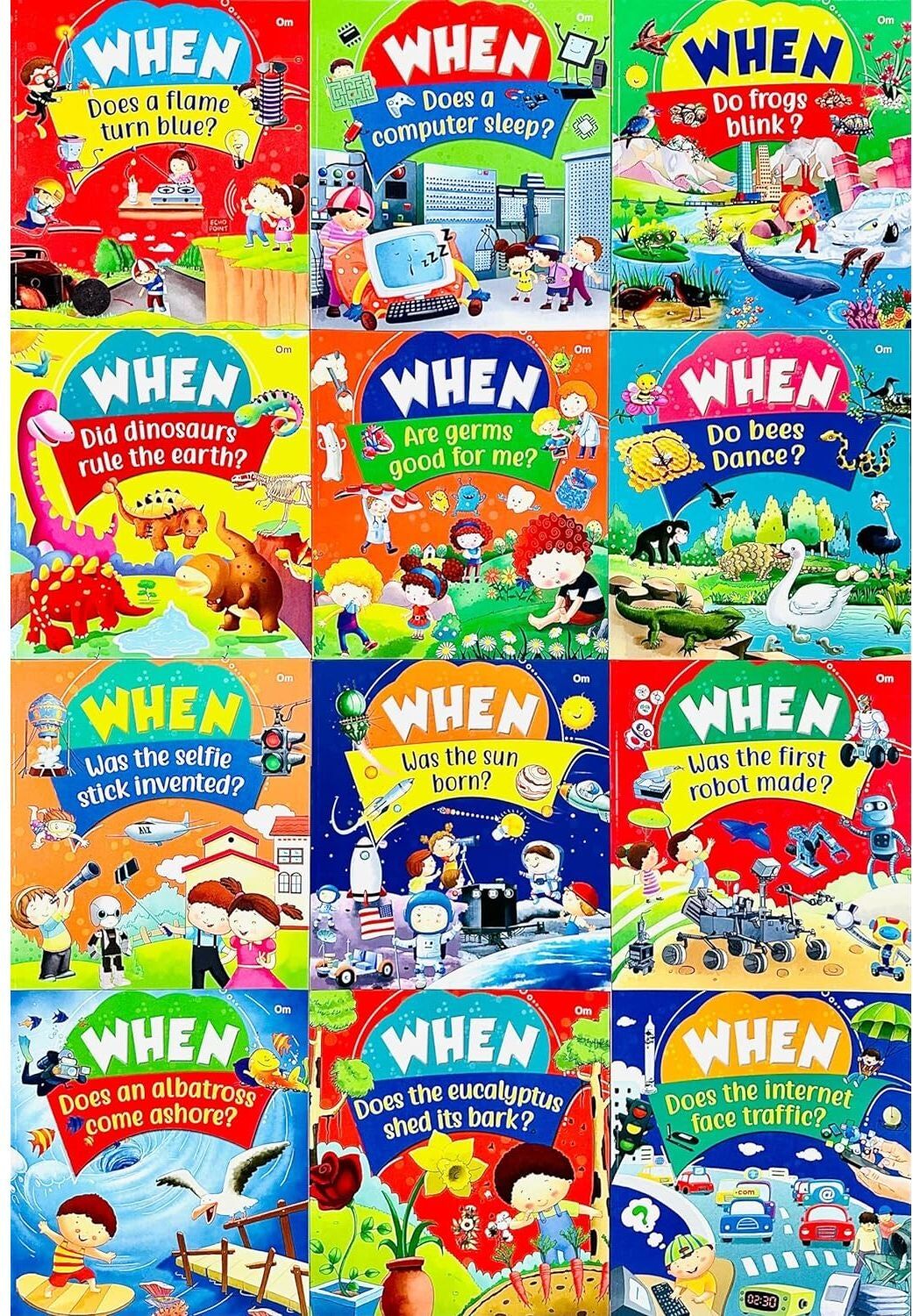
OM Books International Tell Me When? Collection of 12 Books – Fun Science Questions & Educational Discovery Books for KidsTell Me When? Collection of 12 Books (When Does A Flame Turn Blue?, Does a computer sleep?, Do Frogs Blink?, Did Dinosaurs Rule the Earth, Germs Good For Me?, Do Bees Dance? & More) Titles in This Set: When Does a flame turn blue? When Does a computer sleep? When Do Frogs Blink? When Did Dinosaurs Rule the Earth? When Are germs good for me? When Do Bees Dance? When Was the Selfie Stick Invented? When Was The Sun Born? When Was The First Robot Made? When Does An Albatross Come Ashore? When Does The eucalyptus Shed Its Bark? When Does The Internet Face Traffic? Description: This collection of 12 books is ready to answer the questions of young, inquisitive minds! The Tell Me When? series is a curation that seeks to answer the ‘When’ of a wide range of subjects through simple explanations. A sure shot way of making kids learn about new things while indulging their curiosities about the world!9,95 £*Shipping: 2,99 £Secure redirect to the provider
-
Sesderma Reti Age 5 Liposomal Serum Anti-Aging Innovation 30mLA facial serum for wrinkles and signs of ageing. Reduces wrinkles and fine lines. Hydrates and strengthens barrier. Restores youthful radiance. 5-Retinoid System: smooths wrinkles, accelerates renewal, and boosts collagen. Biomimetic Peptides: fill expression lines by stimulating collagen synthesis.54,51 £*Shipping: 5,34 £Secure redirect to the provider
-
Why does the glycolysis equation not balance?
The glycolysis equation does not balance because it is a simplified representation of the complex series of chemical reactions that occur during glycolysis. The equation only shows the overall input and output of the process, without accounting for the specific intermediates and enzymes involved in each step. Additionally, the equation does not include the energy requirements and regulatory mechanisms that control glycolysis. Therefore, the equation is unbalanced because it does not provide a detailed account of the individual reactions and their stoichiometry. **
-
What is the balance equation of glycolysis?
The balanced equation for glycolysis is: Glucose + 2 NAD+ + 2 ADP + 2 Pi → 2 pyruvate + 2 NADH + 2 ATP + 2 H2O + 2 H+ **
-
What is the difference between glycolysis and glycogenolysis?
Glycolysis is the breakdown of glucose into pyruvate to produce energy in the form of ATP, while glycogenolysis is the breakdown of glycogen into glucose to provide a quick source of energy. Glycolysis occurs in the cytoplasm of cells, while glycogenolysis primarily occurs in the liver and muscles. Glycolysis is the first step in cellular respiration, while glycogenolysis is a way for the body to maintain blood glucose levels during times of fasting or exercise. **
-
What is the energy investment phase of glycolysis?
The energy investment phase of glycolysis is the first stage of the process, where two molecules of ATP are used to phosphorylate glucose, forming fructose-1,6-bisphosphate. This step requires energy input in the form of ATP in order to prepare the glucose molecule for further breakdown and energy extraction in the subsequent steps of glycolysis. The energy investment phase is followed by the energy payoff phase, where the glucose molecule is further broken down to produce ATP and NADH. **
* All prices are inclusive of VAT and, if applicable, plus shipping costs. The offer information is based on the details provided by the respective shop and is updated through automated processes. Real-time updates do not occur, so deviations can occur in individual cases. ** Note: Parts of this content were created by AI.