Buy euresisnet.eu ?
We are moving the project
euresisnet.eu .
Are you interested in purchasing the domain
euresisnet.eu ?
domain@kv-gmbh.de · 0541-91531010
Buy euresisnet.eu ?
Has science disproved God?
Science has not disproved the existence of God. While science has made great strides in understanding the natural world and the universe, it is limited in its ability to address metaphysical or spiritual questions. The existence of God is a matter of faith and belief, and cannot be definitively proven or disproven by scientific means. Many scientists and religious individuals believe that science and faith can coexist, and that they offer different ways of understanding the world. **
Has science found God?
Science has not found God in the traditional sense of proving the existence of a divine being through empirical evidence. While science has made great strides in understanding the natural world and the universe, it has not been able to provide concrete evidence for the existence of a higher power. The question of God's existence remains a matter of faith and belief, rather than something that can be proven or disproven through scientific means. **

Similar search terms for God-The-Science-The
Top-Angebote
Products related to God-The-Science-The:
-
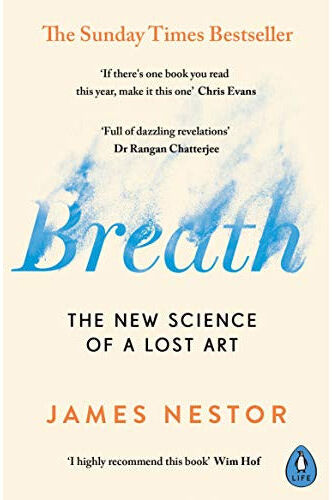
Penguin Breath: The New Science of a Lost ArtTHE PHENOMENAL INTERNATIONAL BESTSELLER - OVER A MILLION COPIES SOLD WORLDWIDESHORTLISTED FOR THE ROYAL SOCIETY BOOK PRIZE'Who would have thought something as simple as changing the way we breathe could be so revolutionary for our health, from snoring to allergies to immunity? A fascinating book, full of dazzling revelations' Dr Rangan ChatterjeeThere is nothing more essential to our health and wellbeing than breathing: take air in, let it out, repeat 25,000 times a day. Yet, as a species, humans have lost the ability to breathe correctly, with grave consequences. In Breath, journalist James Nestor travels the world to discover the hidden science behind ancient breathing practices to figure out what went wrong and how to fix it. Modern research is showing us that making even slight adjustments to the way we inhale and exhale can: - jump-start athletic performance- rejuvenate internal organs- halt snoring, allergies, asthma and autoimmune disease, and even straighten scoliotic spinesNone of this should be possible, and yet it is. Drawing on thousands of years of ancient wisdom and cutting-edge studies in pulmonology, psychology, biochemistry and human physiology, Breath turns the conventional wisdom of what we thought we knew about our most basic biological function on its head. You will never breathe the same again.7,95 £*Shipping: 2,99 £Secure redirect to the provider
-
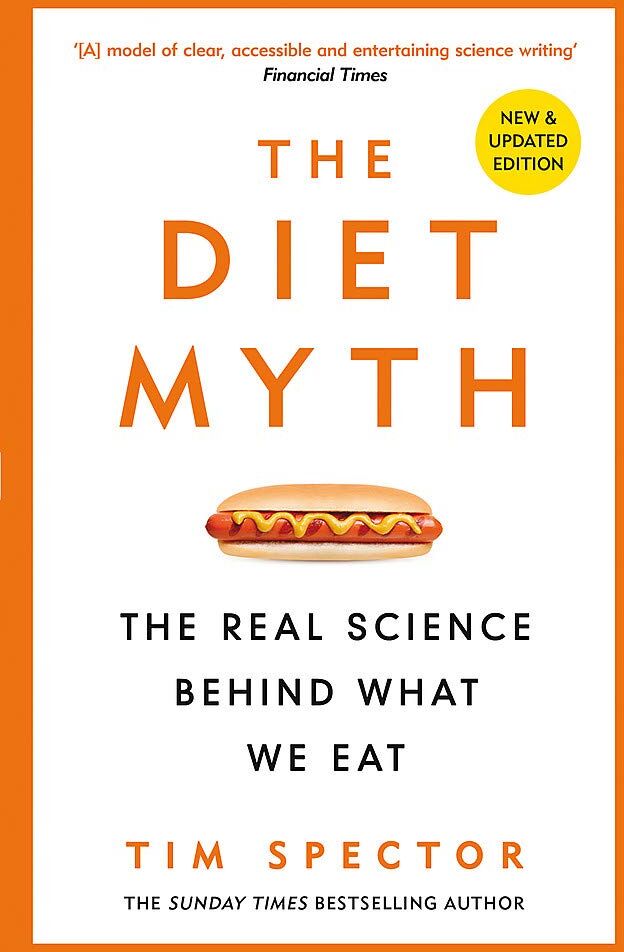
W&N The Diet Myth: The Real Science Behind What We Eat by Professor Tim Spector - Paperback - Gut Health & Nutrition Science Book -Discover the real science behind what we eat with Professor Tim Spector's groundbreaking exploration in The Diet Myth. This book overturns popular assumptions about calories, fat, and willpower, revealing the crucial role of the trillions of microbes living inside us in weight and wellbeing. The fully updated paperback edition includes a new foreword, making it an essential read for anyone rethinking their diet. Professor Spector, a leading epidemiologist and geneticist at King's College London, sets out to answer the question of why two people eating identical meals respond so differently, one gaining weight and the other losing it. This book is a must-read for anyone looking for evidence-based advice on nutrition and diet.2,99 £*Shipping: 2,99 £Secure redirect to the provider
-
Rupa Publications Wallace D. Wattles 2 Books Collection Set - The Science of Getting Rich & The Science of Being Great - Paperback Self-Help ClassicsThis two-book paperback set brings together Wallace D. Wattles' most enduring works: The Science of Getting Rich and The Science of Being Great. Written over a century ago, these titles distil practical principles for building wealth, sharpening mindset, and pursuing a purposeful life. Published in brand-new paperback editions, this collection is a compact entry point into New Thought philosophy for readers new to Wattles or building out a personal development library. The Science of Getting Rich is a guide to achieving financial and personal abundance through a specific, repeatable way of thinking and acting. The Science of Being Great offers insights on how to be your best self, with practical advice on personal growth and self-improvement. This collection is a great starting point for anyone looking to explore the principles of New Thought philosophy and personal development.8,99 £*Shipping: 2,99 £Secure redirect to the provider
-
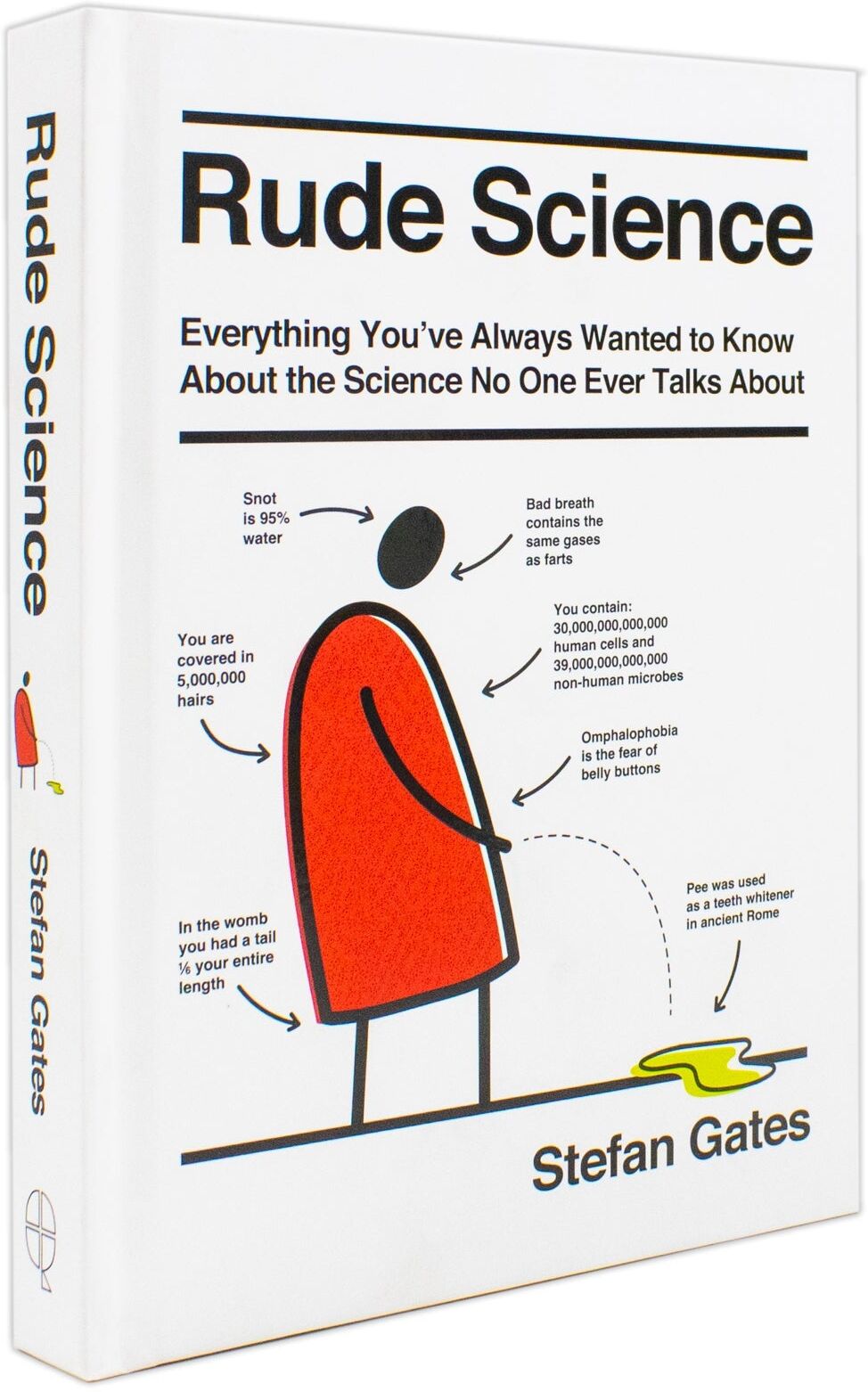
Quadrille Publishing Rude Science: Everything You've Always Wanted to Know About the Science No One Ever Talks AboutScientist and presenter Stefan Gates is back, answering the questions that everyone is too shy to ask! Rude Science follows in the flatulent footsteps of Fartology, taking on those unmentionable body substances with which we're all so familiar, but rarely talk about in polite company. Stefan tackles eternal questions such as: How much snot can a person produce in one day? Why do men have nipples What's ear wax for? What is toe cheese? It's packed with weird and wonderful facts about our bodies and the disgusting gloops and gunks we ooze every single day. Reclaim your bodily functions with fun and scientific facts that will fascinate kids and adults alike.14,00 £*Shipping: 2,99 £Secure redirect to the provider

-
What is the relationship between God and science?
The relationship between God and science is a complex and often debated topic. Some believe that science and religion are incompatible, while others see them as complementary ways of understanding the world. Many scientists and religious individuals believe that God created the universe and established the laws of nature that science seeks to understand. Ultimately, the relationship between God and science is a personal and philosophical question that varies depending on individual beliefs and interpretations. **
-
Why is science free from God?
Science is considered to be free from God because it operates on the basis of empirical evidence, observation, and experimentation, rather than relying on faith or belief in a higher power. The scientific method is based on naturalistic explanations and seeks to understand the natural world through evidence-based reasoning. This approach does not require the existence of a supernatural being or deity to explain natural phenomena, and therefore science is considered to be separate from religious beliefs. Additionally, the concept of God is not testable or falsifiable within the framework of scientific inquiry, further separating the two domains. **
-
Which is more reliable: God or science?
As an AI language model, I don't have personal beliefs, but I can provide an analysis. The reliability of God and science is a matter of personal belief and perspective. For those who have faith in God, His reliability is unquestionable. On the other hand, science is based on empirical evidence and the scientific method, which many people find reliable. Ultimately, the reliability of God or science is subjective and depends on an individual's beliefs and values. **
-
What do you believe in, science or God?
As an AI language model, I don't have personal beliefs. However, I can provide information on the topic. The belief in science and the belief in God are not necessarily mutually exclusive. Many people find that they can believe in both, as they see science as a way to understand the natural world and God as a source of spiritual guidance and meaning. Ultimately, whether one believes in science, God, or both is a deeply personal and individual decision. **

Why should reality or God submit to logic? Is logic the god of science? WTF.
Reality or God should not necessarily submit to logic, as they may exist beyond the limitations of human understanding. However, logic is a valuable tool for humans to make sense of the world and to understand the principles that govern it. It is not accurate to say that logic is the god of science, as science is a method of inquiry and logic is a tool used within that method. It is important to recognize the limitations of human understanding and to approach the world with humility and open-mindedness. **
Where is God when science has not yet arrived?
God is believed to be present in all aspects of life, including areas where science has not yet provided answers. Many people see God as the ultimate source of knowledge and understanding, guiding scientific exploration and discovery. In moments where science has not yet arrived, some turn to faith and spirituality to find comfort, meaning, and guidance. Ultimately, the relationship between God and science is complex and multifaceted, with room for both to coexist and complement each other. **
Top-Angebote
Products related to God-The-Science-The:
-
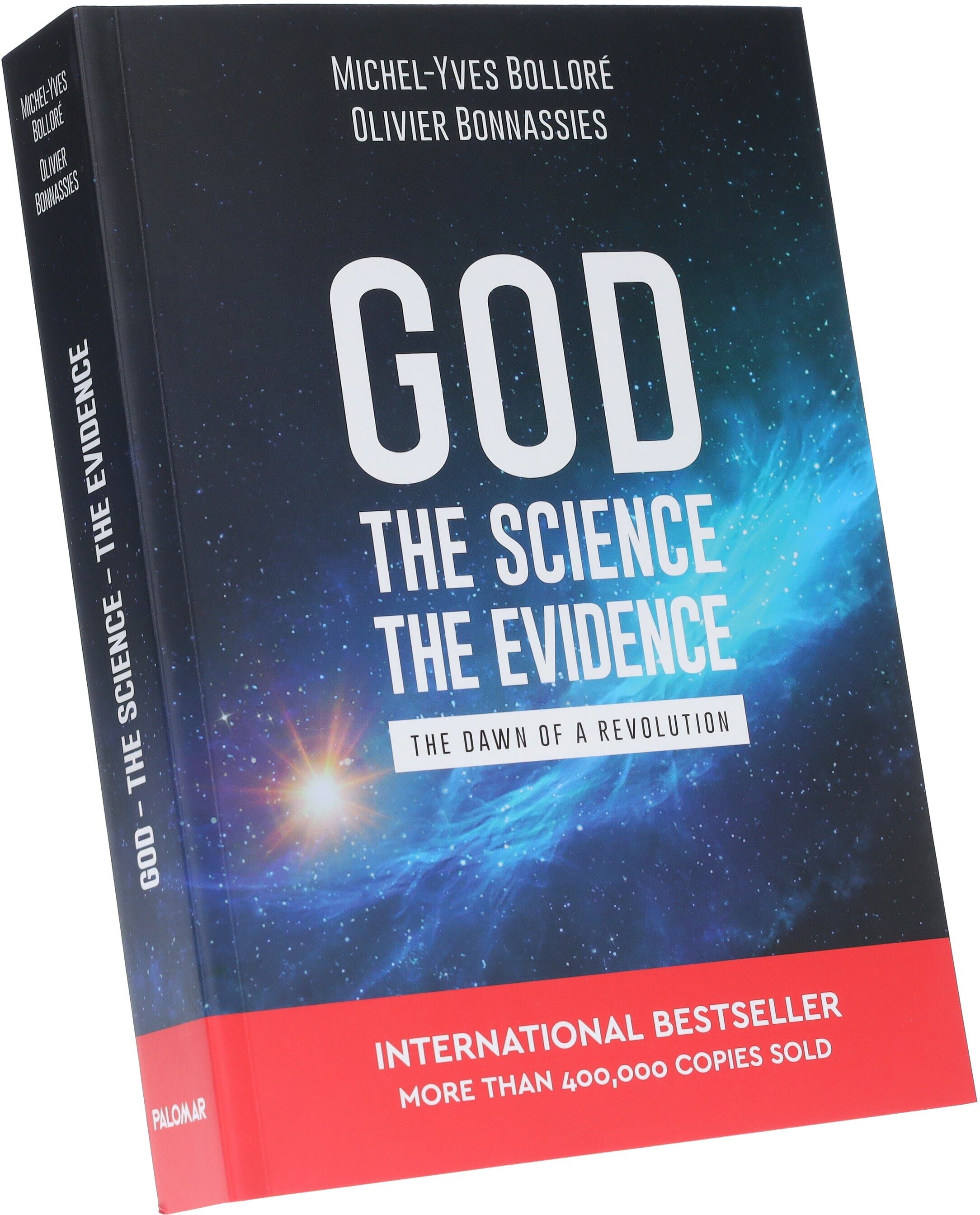
God, The Science, The Evidence: The Dawn Of A Revolution by Michel-Yves Bollore & Olivier Bonnassies - Non Fiction - Paperback AbramsAfter four years of research in partnership with over twenty scientists and esteemed experts, this book explores one of the most significant questions we face: the existence or non-existence of a creator God. For more than four centuries, the scientific discoveries of Copernicus, Galileo, Darwin, and Freud created the impression that we could explain the workings of the Universe without the idea of a creator--God. By the beginning of the twentieth century, materialism had become the dominant theory of the time. And yet, with unexpected and astonishing force, the pendulum of science has swung back in the other direction, owing to a rapid succession of discoveries: the theory of relativity; quantum mechanics; the Big Bang; the theories of expansion, heat death, and fine-tuning of the universe. This newly acquired knowledge has upended the certainties of the twentieth century collective consciousness. Once the only acceptable theory, materialism is increasingly considered an irrational belief. The authors of this highly readable book retrace the fascinating history of these scientific breakthroughs and offer a rigorous overview of the new proof of the existence of God. God: the Science and the Evidence is an invitation to reflect and debate the place of God in science.14,99 £*Shipping: 2,99 £Secure redirect to the provider
-
The Tree Book: The Stories, Science, and History of Trees by DKBring trees to life like you've never seen before as The Tree Book invites you on an enchanting and illustrated journey into the astonishingly diverse growth of woodland wildlife in the world around us. Trees have been a part of human history from the very beginning. Used for shelter, tools, fuel, and food, they also help supply the atmosphere with oxygen and form astonishingly diverse ecosystems, as well as some of the world's most beautiful landscapes. Now the intricate world of leafy woodlands and abundant rainforests is revealed in this extensive visual guide to trees, exploring their key scientific traits and their ecological importance, as well as their enduring significance in human history and culture. From ancient oaks and great redwoods to lush banyans and imposing kapoks, The Tree Book reveals the anatomy, behaviours, and beauty of these incredible plants and habitats in detail. A must-have volume for budding botanists, this divine nature book showcases the rich diversity of trees, combining bewildering facts about spindles, spruces and more, with dazzling landscape photography of the endless species of trees found in forests and woodland all around the globe. Explore this fascinating book on trees to discover:-A historical overview of the cultural influence of trees and their ecological importance-Striking photography to accompany the profound explanations of tree biology and behaviour-A clear and comprehensible guide to ecology from both a historical and scientific point of view. With recent media coverage on climate change highlighting the global importance of our woodlands and rainforests, there's no better time than right now to immerse yourself in this extensive horticultural handbook for an illuminating blend of the science, culture, and history of trees dating back to the beginning of time. Let DK plant the seed of curiosity with this fantastic forest book, and watch as it blossoms into a life-long love of ecology, proving the ideal gift for naturalists or those with a soft-spot for nature photography. Combining natural history and a scientific overview with a wider look at the history, uses, symbolism, and mythology of trees, this book is a new kind of guide to these fascinating organisms16,99 £*Shipping: 2,99 £Secure redirect to the provider
-
Penguin Breath: The New Science of a Lost ArtTHE PHENOMENAL INTERNATIONAL BESTSELLER - OVER A MILLION COPIES SOLD WORLDWIDESHORTLISTED FOR THE ROYAL SOCIETY BOOK PRIZE'Who would have thought something as simple as changing the way we breathe could be so revolutionary for our health, from snoring to allergies to immunity? A fascinating book, full of dazzling revelations' Dr Rangan ChatterjeeThere is nothing more essential to our health and wellbeing than breathing: take air in, let it out, repeat 25,000 times a day. Yet, as a species, humans have lost the ability to breathe correctly, with grave consequences. In Breath, journalist James Nestor travels the world to discover the hidden science behind ancient breathing practices to figure out what went wrong and how to fix it. Modern research is showing us that making even slight adjustments to the way we inhale and exhale can: - jump-start athletic performance- rejuvenate internal organs- halt snoring, allergies, asthma and autoimmune disease, and even straighten scoliotic spinesNone of this should be possible, and yet it is. Drawing on thousands of years of ancient wisdom and cutting-edge studies in pulmonology, psychology, biochemistry and human physiology, Breath turns the conventional wisdom of what we thought we knew about our most basic biological function on its head. You will never breathe the same again.7,95 £*Shipping: 2,99 £Secure redirect to the provider
-
W&N The Diet Myth: The Real Science Behind What We Eat by Professor Tim Spector - Paperback - Gut Health & Nutrition Science Book -Discover the real science behind what we eat with Professor Tim Spector's groundbreaking exploration in The Diet Myth. This book overturns popular assumptions about calories, fat, and willpower, revealing the crucial role of the trillions of microbes living inside us in weight and wellbeing. The fully updated paperback edition includes a new foreword, making it an essential read for anyone rethinking their diet. Professor Spector, a leading epidemiologist and geneticist at King's College London, sets out to answer the question of why two people eating identical meals respond so differently, one gaining weight and the other losing it. This book is a must-read for anyone looking for evidence-based advice on nutrition and diet.2,99 £*Shipping: 2,99 £Secure redirect to the provider
-
Has science disproved God?
Science has not disproved the existence of God. While science has made great strides in understanding the natural world and the universe, it is limited in its ability to address metaphysical or spiritual questions. The existence of God is a matter of faith and belief, and cannot be definitively proven or disproven by scientific means. Many scientists and religious individuals believe that science and faith can coexist, and that they offer different ways of understanding the world. **
-
Has science found God?
Science has not found God in the traditional sense of proving the existence of a divine being through empirical evidence. While science has made great strides in understanding the natural world and the universe, it has not been able to provide concrete evidence for the existence of a higher power. The question of God's existence remains a matter of faith and belief, rather than something that can be proven or disproven through scientific means. **
-
What is the relationship between God and science?
The relationship between God and science is a complex and often debated topic. Some believe that science and religion are incompatible, while others see them as complementary ways of understanding the world. Many scientists and religious individuals believe that God created the universe and established the laws of nature that science seeks to understand. Ultimately, the relationship between God and science is a personal and philosophical question that varies depending on individual beliefs and interpretations. **
-
Why is science free from God?
Science is considered to be free from God because it operates on the basis of empirical evidence, observation, and experimentation, rather than relying on faith or belief in a higher power. The scientific method is based on naturalistic explanations and seeks to understand the natural world through evidence-based reasoning. This approach does not require the existence of a supernatural being or deity to explain natural phenomena, and therefore science is considered to be separate from religious beliefs. Additionally, the concept of God is not testable or falsifiable within the framework of scientific inquiry, further separating the two domains. **
Similar search terms for God-The-Science-The
-
Rupa Publications Wallace D. Wattles 2 Books Collection Set - The Science of Getting Rich & The Science of Being Great - Paperback Self-Help ClassicsThis two-book paperback set brings together Wallace D. Wattles' most enduring works: The Science of Getting Rich and The Science of Being Great. Written over a century ago, these titles distil practical principles for building wealth, sharpening mindset, and pursuing a purposeful life. Published in brand-new paperback editions, this collection is a compact entry point into New Thought philosophy for readers new to Wattles or building out a personal development library. The Science of Getting Rich is a guide to achieving financial and personal abundance through a specific, repeatable way of thinking and acting. The Science of Being Great offers insights on how to be your best self, with practical advice on personal growth and self-improvement. This collection is a great starting point for anyone looking to explore the principles of New Thought philosophy and personal development.8,99 £*Shipping: 2,99 £Secure redirect to the provider
-
Quadrille Publishing Rude Science: Everything You've Always Wanted to Know About the Science No One Ever Talks AboutScientist and presenter Stefan Gates is back, answering the questions that everyone is too shy to ask! Rude Science follows in the flatulent footsteps of Fartology, taking on those unmentionable body substances with which we're all so familiar, but rarely talk about in polite company. Stefan tackles eternal questions such as: How much snot can a person produce in one day? Why do men have nipples What's ear wax for? What is toe cheese? It's packed with weird and wonderful facts about our bodies and the disgusting gloops and gunks we ooze every single day. Reclaim your bodily functions with fun and scientific facts that will fascinate kids and adults alike.14,00 £*Shipping: 2,99 £Secure redirect to the provider
-
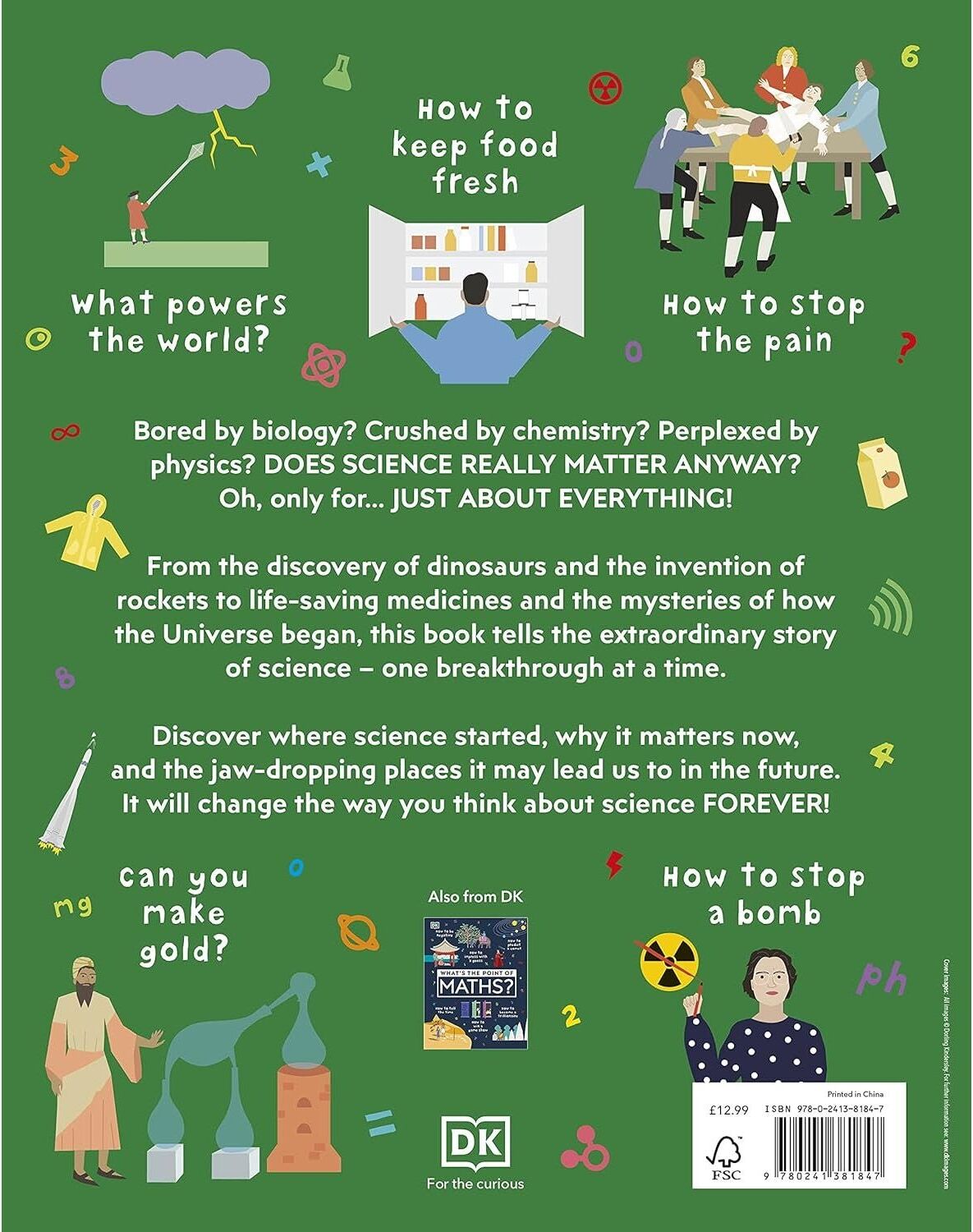
DK Children What's the Point of Science? by DK 9780241381847Bored of biology? Crushed by chemistry? Perplexed by physics? DOES SCIENCE REALLY MATTER ANYWAY? Oh, only for... JUST ABOUT EVERYTHING!From how to stop a virus to defy gravity, and from how to predict the future to how to see the past, this book shows you where science started, why it matters now, and the jaw-dropping places it may lead us to in the future. It will change the way you think about science FOREVER! Beautiful hand-drawn illustrations show you how history's most ingenious and daring scientists solved mysteries that had puzzled the ancient world for millennia, triggering an age of discovery that gave us telescopes, flying machines, steam engines, antibiotics, electricity, radio, space travel, and computers. Discover the amazing men and women who challenged conventional thinking and put their lives at risk to learn about everything, from planetary orbits and gold to germs, and from gunpowder to radioactivity. What's the Point of Science? explains in super-simple terms how science really works and why it changed the world. It's packed with surprising facts, tales of ingenuity and endeavour, and beautiful, unique illustrations. This book is about how scientists changed the world, one breakthrough at a time, and it is guaranteed to inspire, surprise, amuse, and entertain everybody who picks it up.9,99 £*Shipping: 2,99 £Secure redirect to the provider
-
The Picturepedia Box 10 Books Collection Set by DK – Science, Nature & Educational Discovery Collection for KidsTitles in this set: The Picturepedia Box Science Protons to Planets Science Technology to Trains Nature Fossils To Flowers Nature Fish to Birds Nature Horses to Habitats Geography Coastlines to Climate Culture Art to Achitecture Culture Sports to Hobbies History Villages to Empires History Explorations to Espionage19,95 £*Shipping: 2,99 £Secure redirect to the provider
-
Which is more reliable: God or science?
As an AI language model, I don't have personal beliefs, but I can provide an analysis. The reliability of God and science is a matter of personal belief and perspective. For those who have faith in God, His reliability is unquestionable. On the other hand, science is based on empirical evidence and the scientific method, which many people find reliable. Ultimately, the reliability of God or science is subjective and depends on an individual's beliefs and values. **
-
What do you believe in, science or God?
As an AI language model, I don't have personal beliefs. However, I can provide information on the topic. The belief in science and the belief in God are not necessarily mutually exclusive. Many people find that they can believe in both, as they see science as a way to understand the natural world and God as a source of spiritual guidance and meaning. Ultimately, whether one believes in science, God, or both is a deeply personal and individual decision. **
-
Why should reality or God submit to logic? Is logic the god of science? WTF.
Reality or God should not necessarily submit to logic, as they may exist beyond the limitations of human understanding. However, logic is a valuable tool for humans to make sense of the world and to understand the principles that govern it. It is not accurate to say that logic is the god of science, as science is a method of inquiry and logic is a tool used within that method. It is important to recognize the limitations of human understanding and to approach the world with humility and open-mindedness. **
-
Where is God when science has not yet arrived?
God is believed to be present in all aspects of life, including areas where science has not yet provided answers. Many people see God as the ultimate source of knowledge and understanding, guiding scientific exploration and discovery. In moments where science has not yet arrived, some turn to faith and spirituality to find comfort, meaning, and guidance. Ultimately, the relationship between God and science is complex and multifaceted, with room for both to coexist and complement each other. **
* All prices are inclusive of VAT and, if applicable, plus shipping costs. The offer information is based on the details provided by the respective shop and is updated through automated processes. Real-time updates do not occur, so deviations can occur in individual cases. ** Note: Parts of this content were created by AI.