Buy euresisnet.eu ?
We are moving the project
euresisnet.eu .
Are you interested in purchasing the domain
euresisnet.eu ?
domain@kv-gmbh.de · 0541-91531010
Buy euresisnet.eu ?
How many keys does a harpsichord have?
A harpsichord typically has between 60 to 90 keys, depending on the specific type and design of the instrument. These keys are used to produce different pitches and tones by plucking the strings inside the instrument. The keys are arranged in a similar fashion to a piano, with the lower notes on the left and the higher notes on the right. **
What are some good harpsichord pieces to learn?
Some good harpsichord pieces to learn include J.S. Bach's "French Suite No. 5 in G major" and "English Suite No. 2 in A minor," as well as Domenico Scarlatti's "Sonata in D minor, K. 9" and "Sonata in E major, K. 380." Additionally, Rameau's "Pieces de Clavecin" and Couperin's "Ordres" are also popular choices for harpsichord players. These pieces showcase a variety of styles and techniques that are essential for mastering the harpsichord repertoire. **


Similar search terms for Harpsichord
Top-Angebote
Products related to Harpsichord:
-
The Picturepedia Box 10 Books Collection Set by DK – Science, Nature & Educational Discovery Collection for KidsTitles in this set: The Picturepedia Box Science Protons to Planets Science Technology to Trains Nature Fossils To Flowers Nature Fish to Birds Nature Horses to Habitats Geography Coastlines to Climate Culture Art to Achitecture Culture Sports to Hobbies History Villages to Empires History Explorations to Espionage19,95 £*Shipping: 2,99 £Secure redirect to the provider
-
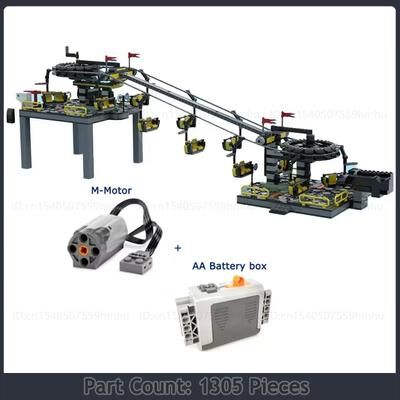
Inspire Daily Merch Chairlift Building Block Diy Technology Motor Puzzle Toy Educational Science Creative MOC Bricks Xmas Gifts with MotorUnleash Creativity with the Chairlift MOC Building Block Toy Bring engineering and creativity together with the GChairlift MOC Building Block Toy. This unique DIY assembly technology offers endless possibilities for both beginners and advanced...249,97 $*Shipping: 0,00 $Secure redirect to the provider
-
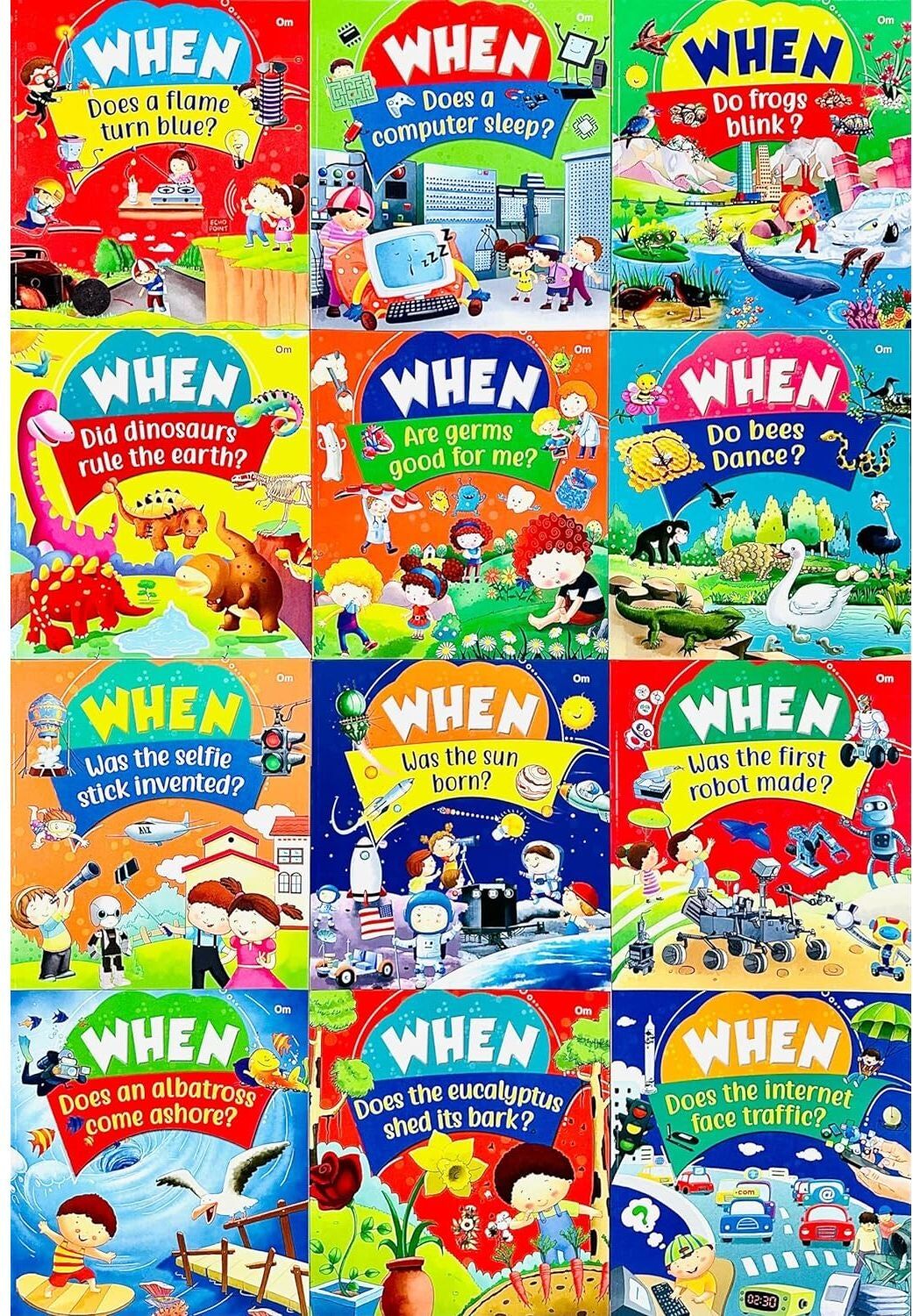
OM Books International Tell Me When? Collection of 12 Books – Fun Science Questions & Educational Discovery Books for KidsTell Me When? Collection of 12 Books (When Does A Flame Turn Blue?, Does a computer sleep?, Do Frogs Blink?, Did Dinosaurs Rule the Earth, Germs Good For Me?, Do Bees Dance? & More) Titles in This Set: When Does a flame turn blue? When Does a computer sleep? When Do Frogs Blink? When Did Dinosaurs Rule the Earth? When Are germs good for me? When Do Bees Dance? When Was the Selfie Stick Invented? When Was The Sun Born? When Was The First Robot Made? When Does An Albatross Come Ashore? When Does The eucalyptus Shed Its Bark? When Does The Internet Face Traffic? Description: This collection of 12 books is ready to answer the questions of young, inquisitive minds! The Tell Me When? series is a curation that seeks to answer the ‘When’ of a wide range of subjects through simple explanations. A sure shot way of making kids learn about new things while indulging their curiosities about the world!9,95 £*Shipping: 2,99 £Secure redirect to the provider
-
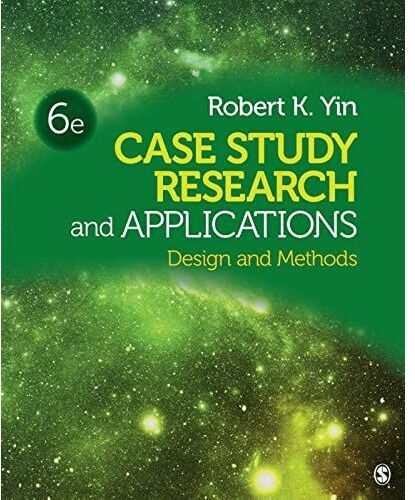
SAGE Publications Case Study Research and Applications: Design and MethodsRecognized as one of the most cited methodology books in the social sciences, the Sixth Edition of Robert K. Yin′s bestselling text provides a complete portal to the world of case study research. With the integration of 11 applications in this edition, the book gives readers access to exemplary case studies drawn from a wide variety of academic and applied fields. Ultimately, Case Study Research and Applications will guide students in the successful use and application of the case study research method.59,99 £*Shipping: 0,00 £Secure redirect to the provider

-
What is the difference between piano and harpsichord?
The main difference between a piano and a harpsichord lies in how the sound is produced. In a piano, pressing a key causes a hammer to strike the strings, producing sound. On the other hand, in a harpsichord, pressing a key plucks a string with a small piece of quill, producing a more delicate and distinct sound. Additionally, pianos have a wider range of dynamics and expression due to their ability to play both softly and loudly, while harpsichords have a more limited dynamic range. **
-
Which good harpsichord pieces are there to learn?
There are many great harpsichord pieces to learn, but some popular choices include J.S. Bach's "Goldberg Variations," "French Suites," and "English Suites." Other notable composers for the harpsichord include Domenico Scarlatti, whose sonatas are challenging and rewarding to play. Additionally, Rameau's harpsichord works, such as his "Pièces de clavecin," are also highly regarded for their complexity and beauty. **
-
What are the differences between piano, clavichord, and harpsichord?
The piano, clavichord, and harpsichord are all keyboard instruments, but they differ in their mechanisms and sound production. The piano uses hammers to strike strings when keys are pressed, allowing for dynamic expression and a wide range of volume. The clavichord produces sound by small brass blades striking strings when keys are pressed, resulting in a softer and more intimate sound. The harpsichord, on the other hand, plucks strings when keys are pressed, producing a bright and clear sound with limited dynamic range. **
-
What advantages does the piano have over the harpsichord?
The piano has several advantages over the harpsichord. One major advantage is the piano's ability to produce a wide range of dynamics, from very soft to very loud, due to its ability to vary the force with which the keys are struck. This allows for greater expressiveness and emotional range in music. Additionally, the piano has a larger range of notes and can sustain sound longer, providing more versatility in musical compositions. Lastly, the piano's mechanism allows for the use of the sustain pedal, which can create a rich, resonant sound that is not possible on a harpsichord. **

Why do harpsichord and piano have different key colors?
Harpsichords and pianos have different key colors to help differentiate between the different types of keys. On a harpsichord, the keys are often all one color, typically white, because the instrument does not have dynamics or the ability to play with varying levels of touch. On the other hand, pianos have two different key colors, white and black, to distinguish between the natural keys and the accidentals. This color difference helps pianists visually and tactually navigate the keyboard and play the correct notes. **
What is the difference between a harpsichord and a spinet?
The main difference between a harpsichord and a spinet lies in their size and shape. A harpsichord is larger and has a more elongated shape, while a spinet is smaller and more compact. Additionally, the harpsichord typically has a more complex mechanism for plucking the strings, resulting in a richer and more resonant sound, while the spinet has a simpler mechanism and produces a softer, more delicate sound. Overall, the harpsichord is considered a more versatile and expressive instrument compared to the spinet. **
Top-Angebote
Products related to Harpsichord:
-
Research-powered Eye Duo - Skincare Kit Charlotte Tilbury 3233 Charlotte's Research-powered Eye Duo Size:Darlings, unlock the secret to eyes that appear brighter, depuffed, smoother and younger with my Research-Powered Eye Duo! This CharlotteTilbury.com EXCLUSIVE skincare duo includes:94,05 £*Shipping: 0,00 £Secure redirect to the provider
-
Usborne STEM Scribble Books Collection – 4 Book Set Science, Technology, Engineering & Maths Activity Books for KidsInspire curiosity and creative learning with the Usborne STEM Scribble Books Collection – 4 Book Set, from the trusted Usborne. This exciting educational collection includes: Science Scribble Book Technology Scribble Book Engineering Scribble Book Maths Scribble Book Packed with fun activities, puzzles, drawing challenges, and problem-solving exercises, these interactive scribble books introduce children to the exciting world of STEM (Science, Technology, Engineering, and Mathematics). Designed to make learning enjoyable, they encourage creativity, logical thinking, and hands-on exploration. Perfect for home learning, classroom activities, school holidays, and travel, this collection helps children build confidence while developing essential STEM skills. Why Parents & Teachers Love This Collection: Includes 4 engaging STEM activity books Encourages creativity, problem-solving, and critical thinking Covers Science, Technology, Engineering & Maths Interactive scribble activities make learning fun Ideal for children aged 6+, home learning, and classrooms A fantastic educational resource, the Usborne STEM Scribble Books Collection helps children discover, create, and learn through exciting hands-on activities.8,99 £*Shipping: 2,99 £Secure redirect to the provider
-
The Picturepedia Box 10 Books Collection Set by DK – Science, Nature & Educational Discovery Collection for KidsTitles in this set: The Picturepedia Box Science Protons to Planets Science Technology to Trains Nature Fossils To Flowers Nature Fish to Birds Nature Horses to Habitats Geography Coastlines to Climate Culture Art to Achitecture Culture Sports to Hobbies History Villages to Empires History Explorations to Espionage19,95 £*Shipping: 2,99 £Secure redirect to the provider
-
Inspire Daily Merch Chairlift Building Block Diy Technology Motor Puzzle Toy Educational Science Creative MOC Bricks Xmas Gifts with MotorUnleash Creativity with the Chairlift MOC Building Block Toy Bring engineering and creativity together with the GChairlift MOC Building Block Toy. This unique DIY assembly technology offers endless possibilities for both beginners and advanced...249,97 $*Shipping: 0,00 $Secure redirect to the provider
-
How many keys does a harpsichord have?
A harpsichord typically has between 60 to 90 keys, depending on the specific type and design of the instrument. These keys are used to produce different pitches and tones by plucking the strings inside the instrument. The keys are arranged in a similar fashion to a piano, with the lower notes on the left and the higher notes on the right. **
-
What are some good harpsichord pieces to learn?
Some good harpsichord pieces to learn include J.S. Bach's "French Suite No. 5 in G major" and "English Suite No. 2 in A minor," as well as Domenico Scarlatti's "Sonata in D minor, K. 9" and "Sonata in E major, K. 380." Additionally, Rameau's "Pieces de Clavecin" and Couperin's "Ordres" are also popular choices for harpsichord players. These pieces showcase a variety of styles and techniques that are essential for mastering the harpsichord repertoire. **
-
What is the difference between piano and harpsichord?
The main difference between a piano and a harpsichord lies in how the sound is produced. In a piano, pressing a key causes a hammer to strike the strings, producing sound. On the other hand, in a harpsichord, pressing a key plucks a string with a small piece of quill, producing a more delicate and distinct sound. Additionally, pianos have a wider range of dynamics and expression due to their ability to play both softly and loudly, while harpsichords have a more limited dynamic range. **
-
Which good harpsichord pieces are there to learn?
There are many great harpsichord pieces to learn, but some popular choices include J.S. Bach's "Goldberg Variations," "French Suites," and "English Suites." Other notable composers for the harpsichord include Domenico Scarlatti, whose sonatas are challenging and rewarding to play. Additionally, Rameau's harpsichord works, such as his "Pièces de clavecin," are also highly regarded for their complexity and beauty. **
Similar search terms for Harpsichord
-
OM Books International Tell Me When? Collection of 12 Books – Fun Science Questions & Educational Discovery Books for KidsTell Me When? Collection of 12 Books (When Does A Flame Turn Blue?, Does a computer sleep?, Do Frogs Blink?, Did Dinosaurs Rule the Earth, Germs Good For Me?, Do Bees Dance? & More) Titles in This Set: When Does a flame turn blue? When Does a computer sleep? When Do Frogs Blink? When Did Dinosaurs Rule the Earth? When Are germs good for me? When Do Bees Dance? When Was the Selfie Stick Invented? When Was The Sun Born? When Was The First Robot Made? When Does An Albatross Come Ashore? When Does The eucalyptus Shed Its Bark? When Does The Internet Face Traffic? Description: This collection of 12 books is ready to answer the questions of young, inquisitive minds! The Tell Me When? series is a curation that seeks to answer the ‘When’ of a wide range of subjects through simple explanations. A sure shot way of making kids learn about new things while indulging their curiosities about the world!9,95 £*Shipping: 2,99 £Secure redirect to the provider
-
SAGE Publications Case Study Research and Applications: Design and MethodsRecognized as one of the most cited methodology books in the social sciences, the Sixth Edition of Robert K. Yin′s bestselling text provides a complete portal to the world of case study research. With the integration of 11 applications in this edition, the book gives readers access to exemplary case studies drawn from a wide variety of academic and applied fields. Ultimately, Case Study Research and Applications will guide students in the successful use and application of the case study research method.59,99 £*Shipping: 0,00 £Secure redirect to the provider
-
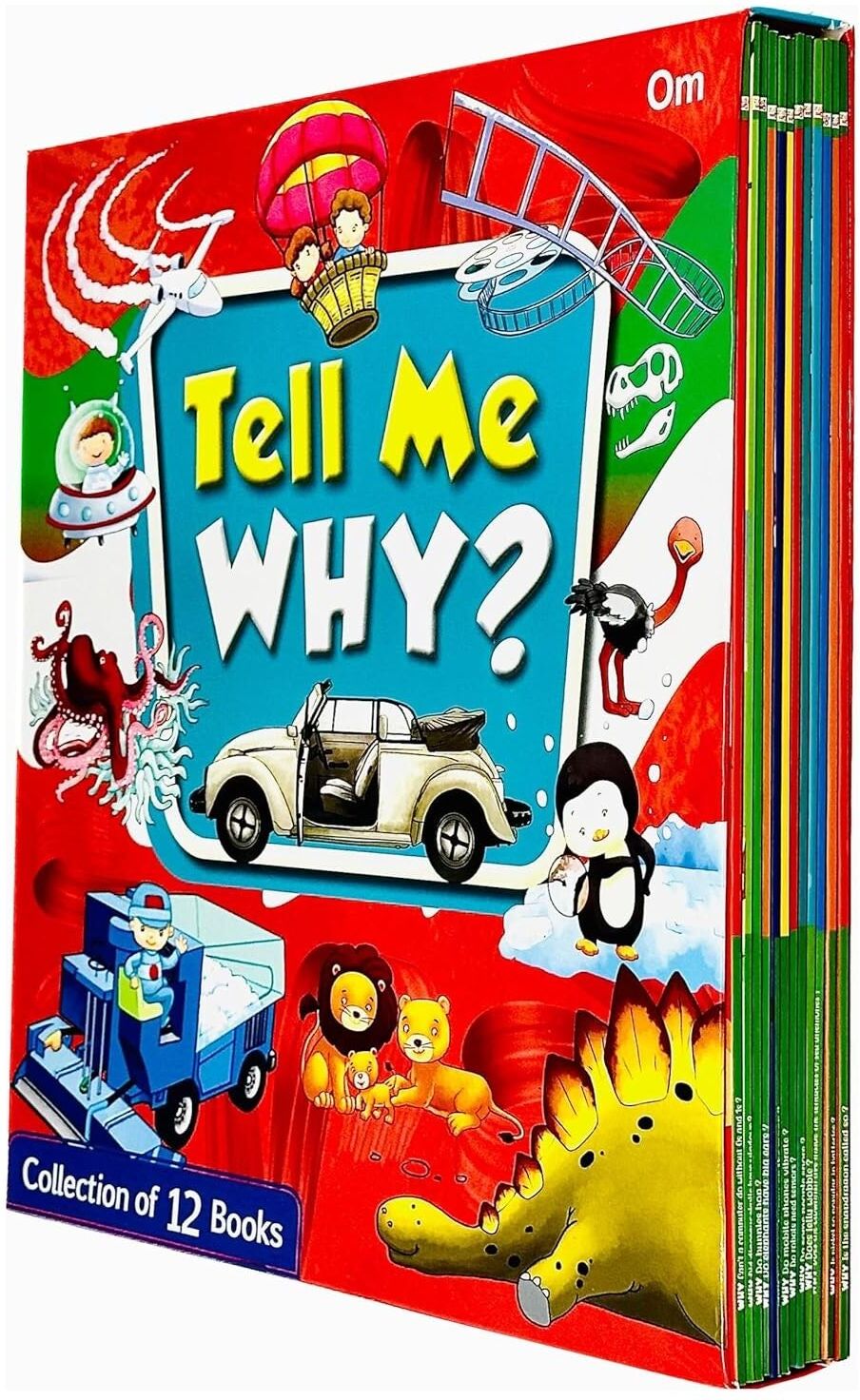
OM Books International Tell Me Why? Collection of 12 Books – Fun Science Questions & Educational Discovery Books for Curious KidsTell me why? Collection of 12 Books: Titles in This Set: Why Is the snapdragon called so? Why Is nickel so popular in batteries? Why Does the clownfish live inside the tentacles of sea anemones? Why Does Jelly Wobble? Why Do Some People Snore? Why Do robots need sensors? Why Do Mobile Phones Vibrate? Why can't a computer do without 0s and 1s ? Why Did dinosaur skulls have windows? Why Do I see a bunny on the moon? Why do elephants have big ears? Why Do Bunnies Hop? Description: This collection of 12 books is ready to answer the questions of young, inquisitive minds! Kids are always hungry for Knowledge Satisfy their curiosity about the world with this insightful, multi-volume series.as it provides answers to some of their many Hows. Whys, Whats and Whens!9,95 £*Shipping: 2,99 £Secure redirect to the provider
-
HARPERCOLLINS Creative Confidence by Tom & David Kelley – Unleashing Your Creative Potential & Innovation MindsetA powerful and inspiring book from the founders of IDEO, the award-winning design firm, on unleashing the creativity that lies within each and every one of us. Too often, companies and individuals assume that creativity and innovation are the domain of the ‘creative types’. But two of the foremost experts in innovation, design and creativity on the planet show us that each and every one of us is creative. In an entertaining and inspiring narrative that draws on countless stories from their work at IDEO, and with many of the world's top companies and design firms, David and Tom Kelley identify the principles and strategies that will allow us to tap into our creative potential in our work lives, and in our personal lives, allow us to think outside the box in terms of how we approach and solve problems. ‘Creative Confidence’ is a book that will help each of us be more productive and successful in our lives and in our careers.4,95 £*Shipping: 1,99 £Secure redirect to the provider
-
What are the differences between piano, clavichord, and harpsichord?
The piano, clavichord, and harpsichord are all keyboard instruments, but they differ in their mechanisms and sound production. The piano uses hammers to strike strings when keys are pressed, allowing for dynamic expression and a wide range of volume. The clavichord produces sound by small brass blades striking strings when keys are pressed, resulting in a softer and more intimate sound. The harpsichord, on the other hand, plucks strings when keys are pressed, producing a bright and clear sound with limited dynamic range. **
-
What advantages does the piano have over the harpsichord?
The piano has several advantages over the harpsichord. One major advantage is the piano's ability to produce a wide range of dynamics, from very soft to very loud, due to its ability to vary the force with which the keys are struck. This allows for greater expressiveness and emotional range in music. Additionally, the piano has a larger range of notes and can sustain sound longer, providing more versatility in musical compositions. Lastly, the piano's mechanism allows for the use of the sustain pedal, which can create a rich, resonant sound that is not possible on a harpsichord. **
-
Why do harpsichord and piano have different key colors?
Harpsichords and pianos have different key colors to help differentiate between the different types of keys. On a harpsichord, the keys are often all one color, typically white, because the instrument does not have dynamics or the ability to play with varying levels of touch. On the other hand, pianos have two different key colors, white and black, to distinguish between the natural keys and the accidentals. This color difference helps pianists visually and tactually navigate the keyboard and play the correct notes. **
-
What is the difference between a harpsichord and a spinet?
The main difference between a harpsichord and a spinet lies in their size and shape. A harpsichord is larger and has a more elongated shape, while a spinet is smaller and more compact. Additionally, the harpsichord typically has a more complex mechanism for plucking the strings, resulting in a richer and more resonant sound, while the spinet has a simpler mechanism and produces a softer, more delicate sound. Overall, the harpsichord is considered a more versatile and expressive instrument compared to the spinet. **
* All prices are inclusive of VAT and, if applicable, plus shipping costs. The offer information is based on the details provided by the respective shop and is updated through automated processes. Real-time updates do not occur, so deviations can occur in individual cases. ** Note: Parts of this content were created by AI.